



Silver has had a genuinely extraordinary run leading into and through 2026, with domestic prices touching record highs around ₹4 lakh per kilogram, driven by a powerful combination of safe-haven investment demand and surging industrial consumption from solar panels, electric vehicles, and electronics manufacturing. This dual-demand story — part precious metal, part industrial commodity — has pulled silver coins back into the spotlight for Indian investors who have traditionally treated silver as a secondary, less prestigious cousin to gold in household savings. The question of whether buying physical silver coins specifically is the right way to participate in this silver story deserves a careful answer, separate from the broader question of whether silver itself deserves portfolio space.
The short answer: silver coins are a reasonable choice for cultural gifting and small-denomination physical holding, but for pure investment purposes, silver ETFs have emerged as the structurally superior, lower-cost alternative in 2026 — a conclusion that mirrors, and in some ways is even stronger than, the equivalent gold coins versus gold ETF comparison.
What Drives Silver’s Investment Case in 2026
Understanding why silver coins matter requires first understanding why silver itself has become such a compelling story. Unlike gold, whose demand is overwhelmingly driven by investment, central bank reserves, and jewellery, silver has a genuinely significant industrial demand component: a single solar panel requires approximately 20 grams of silver, and the global solar installation boom, alongside expanding electric vehicle production and electronics manufacturing, has created sustained industrial offtake that did not exist at comparable scale a decade ago. This dual nature — precious metal plus industrial commodity — gives silver a demand profile that gold simply does not share, and it is the primary reason silver has outperformed gold so dramatically in recent price cycles, with some silver ETFs in India delivering one-year returns exceeding 200% during the strongest phases of the 2025-2026 rally.
This dual demand also means silver is structurally more volatile than gold — its price responds not just to safe-haven and currency dynamics but to industrial production cycles, global manufacturing sentiment, and clean energy investment trends, creating a genuinely higher-risk, higher-potential-reward profile compared to gold’s more stable, primarily monetary-driven price behaviour.
The Cost Structure of Silver Coins
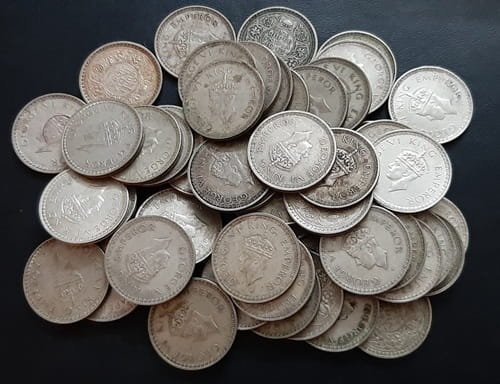
Silver coins, typically available in denominations from 10 grams to 1 kilogram or more, carry a cost structure that closely parallels gold coins but with some specific differences worth understanding.
Making or minting charges on silver coins typically range from 5% to 15% of the metal value — meaningfully higher as a percentage than gold coins often carry, partly because silver’s lower per-gram value means fixed minting costs represent a larger proportional premium. Physical silver, like physical gold, attracts 3% GST at purchase. Purity verification matters significantly at resale: while reputable mints and banks typically certify 999 purity (99.9% silver), verifying this at the point of resale, particularly with less established sellers, introduces friction and potential valuation disputes that paper silver instruments simply do not face.
Storage presents a more acute practical challenge for silver coins than for gold, precisely because silver’s lower value density means a meaningful silver investment occupies considerably more physical space and weight than an equivalent-value gold holding — a kilogram of silver coins, while valuable, is bulkier and heavier to store securely than the equivalent gold value, adding to the practical storage and insurance considerations that erode the all-in return of physical silver investment.
Silver Coins vs Silver ETFs
This comparison has become increasingly one-sided in favour of ETFs as India’s silver ETF market has matured significantly since its 2021-2022 launch period.
Silver ETFs attract zero GST at purchase, compared to physical silver coins’ 3% GST — a meaningful, immediate cost advantage. ETFs carry no making or minting charges, with returns purely tracking the underlying domestic silver price. Leading Indian silver ETFs — including Nippon India Silver ETF (the largest by AUM and liquidity), alongside competitive options from ICICI Prudential, HDFC, SBI, and others — typically charge expense ratios in the 0.40% to 0.50% per annum range, a modest ongoing cost that is dramatically lower than the cumulative friction of physical coin purchase and resale.
ETFs offer same-day liquidity during market hours through your demat account, a stark contrast to the multi-step process of physically selling silver coins, which typically requires locating a buyer, purity verification, and accepting whatever buy-back deduction the buyer applies. And critically, given silver’s higher volatility compared to gold, the ability to enter and exit positions quickly and at transparent, real-time prices through an ETF carries genuine practical value for investors who may need to respond to silver’s sharper price swings.
For investors without a demat account, Silver ETF Fund of Funds (FoF) structures allow SIP-style investment starting from as little as ₹100 per month through standard mutual fund routes, removing the demat account barrier while still capturing most of the ETF cost efficiency advantages over physical coins.
Taxation of Silver Investments
Both silver coins and silver ETFs are taxed identically under current rules: gains on silver held for less than 24 months are taxed at the investor’s applicable income tax slab rate (short-term capital gains), while gains on silver held for more than 24 months are taxed at 12.5% as long-term capital gains, without indexation benefit, under the framework established by recent Finance Act amendments. This tax parity means taxation is not a differentiating factor between coins and ETFs — the cost advantage of ETFs comes entirely from the absence of GST and making charges at the investment stage, not from any tax treatment difference.
When Silver Coins Genuinely Make Sense
Despite ETFs’ clear cost and liquidity advantages, silver coins retain genuine value in specific Indian contexts. Cultural and religious significance runs deep: gifting silver coins at weddings, birthdays, and religious ceremonies carries social and devotional value that predates and exists independently of investment considerations — silver’s association with auspiciousness in Indian tradition is a real cultural function that no ETF can replicate.
For genuine crisis-preparation scenarios — extreme, low-probability situations involving currency or digital system failure — some investors deliberately maintain a small physical precious metals holding as insurance against tail risks, accepting the cost inefficiency as the price of that specific insurance function. And for those running businesses that require physical silver — jewellery manufacturing, certain electronics applications — physical silver is simply the practical necessity rather than an investment choice in the conventional sense.
A Balanced Approach for Most Investors
Many financial advisors recommend a moderate, blended approach: using silver ETFs as the primary vehicle for liquidity, cost-efficiency, and portfolio diversification, while holding a smaller, deliberate physical silver allocation for long-term security, cultural purposes, and the psychological comfort that tangible asset ownership provides for some investors. This is broadly the same balanced framework that applies to gold investment decisions, reflecting the parallel cost and liquidity dynamics between the two precious metals’ physical and paper investment routes.
Given silver’s genuinely higher volatility compared to gold — driven by its industrial demand sensitivity — most financial advisors suggest keeping total precious metals exposure (gold plus silver combined) to a modest 5% to 10% of total financial assets, with many specifically recommending a roughly 70:30 gold-to-silver ratio within that broader precious metals allocation, reflecting gold’s relative stability as the anchor position and silver’s role as a higher-beta, higher-volatility complement rather than a primary holding.
Practical Guidance for Silver Coin Buyers
Insist on 999 purity certification with clear stamping from a reputable mint, bank, or established jeweller. Retain original invoices, since documented provenance significantly improves resale terms and reduces the deduction unverified silver typically faces. Compare the total purchase premium (making charges plus GST) against the prevailing spot silver rate before buying, since this premium varies meaningfully across sellers. And for any meaningful investment amount beyond small cultural or gifting purchases, seriously evaluate silver ETFs as the more cost-efficient primary vehicle, reserving physical coins specifically for their cultural and tangible-ownership function.
Final Verdict
Silver coins, like gold coins, serve a genuine cultural and gifting function in Indian households that justifies their cost premium for that specific purpose. For pure investment exposure to silver’s compelling 2026 industrial-and-precious-metal demand story, silver ETFs offer materially better cost efficiency, liquidity, and ease of management, with identical tax treatment to physical silver — making them the more rational choice for investors whose primary objective is capturing silver’s price appreciation rather than holding a tangible, presentable physical asset.
FAQs
Q1. What is the typical making charge premium on silver coins in India?
A: Silver coin making or minting charges typically range from 5% to 15% of the metal value — a meaningfully higher percentage than gold coins often carry, due to silver’s lower per-gram value relative to fixed minting costs. This premium does not apply to silver ETFs, which track the underlying metal price without minting overhead.
Q2. Why has silver outperformed gold so dramatically in recent price cycles?
A: Silver’s dual demand profile — precious metal investment demand combined with substantial industrial demand from solar panels, electric vehicles, and electronics — has created a more powerful demand surge than gold’s primarily investment-and-jewellery-driven demand. This dual nature also makes silver structurally more volatile than gold.
Q3. Are silver coins or silver ETFs taxed differently in India?
A: No, both are taxed identically: gains held under 24 months are taxed at income tax slab rates, while gains held over 24 months are taxed at 12.5% long-term capital gains without indexation. The cost advantage of ETFs over coins comes from the absence of GST and making charges at purchase, not from any difference in tax treatment.
Q4. What percentage of my portfolio should be allocated to silver?
A: Most financial advisors suggest total precious metals exposure (gold plus silver combined) of 5% to 10% of total financial assets, with many recommending a roughly 70:30 gold-to-silver split within that allocation, reflecting silver’s higher volatility relative to gold’s role as the more stable anchor position.
Q5. Can I start small with silver investment without a demat account?
A: Yes. Silver ETF Fund of Funds (FoF) structures allow SIP-style investment starting from as little as ₹100 per month through standard mutual fund routes without requiring a demat account, offering most of the cost efficiency of direct silver ETFs while remaining accessible to investors who have not opened a demat and trading account.