




India has one of the largest jewellery markets in the world. Jewellery is not only worn for fashion but also carries deep cultural and financial significance in Indian society. From weddings and festivals to religious ceremonies and family traditions, jewellery plays an important role in many aspects of life. Gold, silver, diamonds, and even artificial jewellery are purchased by people across different income groups.
Because of this strong cultural connection, the jewellery industry has remained one of the most stable retail sectors in the country. Many entrepreneurs therefore consider entering this business in the hope of building a profitable venture. However, like any business, jewellery also involves investment, risks, and competition. Let’s analyse whether the jewellery business is profitable in India or not.
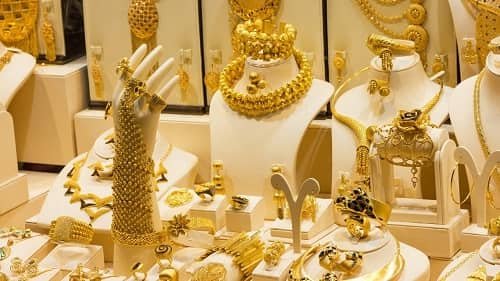
Large and Consistent Demand
One of the biggest advantages of the jewellery business in India is the consistent demand. Jewellery is not treated only as a luxury item. For many families, especially gold jewellery, it is also a form of savings and financial security.
Indian weddings create massive demand for jewellery. Families often purchase several pieces of gold ornaments for the bride and sometimes even for close relatives. In many communities, jewellery is considered an essential part of wedding traditions.
Festivals also play a major role in driving jewellery sales. Occasions such as Diwali, Akshaya Tritiya, and Dhanteras are known for gold purchases. During these times, jewellery stores often see a large increase in customer footfall.
Apart from traditional gold jewellery, demand has also grown for diamond jewellery, silver jewellery, and lightweight ornaments designed for daily wear. This variety of demand keeps the jewellery market active throughout the year.
Profit from Making Charges and Designs
Jewellery businesses do not earn profit only from the value of gold or gemstones. A major portion of the profit comes from making charges, which are added to the cost of jewellery.
Making charges represent the cost of craftsmanship and design work involved in creating the ornament. Depending on the complexity of the design, these charges can range from around 8% to even 25% of the gold value.
Designer jewellery or branded jewellery often carries higher margins because customers are willing to pay more for unique designs and brand reputation. Diamond jewellery can also offer good profit margins, especially when combined with attractive designs and branding.
Artificial jewellery businesses sometimes provide even higher profit margins because the production cost is relatively low while the selling price remains appealing to customers.
Growth of Online Jewellery Sales
In recent years, the jewellery business has expanded rapidly through online platforms. Social media and e-commerce websites have created new opportunities for entrepreneurs to sell jewellery without opening expensive showrooms.
Many small jewellery brands now sell their collections through Instagram, online marketplaces, and personal websites. Good product photography, creative designs, and digital marketing help these businesses reach customers across the country.
Online jewellery sales are particularly strong for artificial jewellery, silver jewellery, and lightweight fashion jewellery. Since these products are more affordable, customers feel comfortable buying them online.
This digital shift has made it easier for new entrepreneurs to enter the jewellery market with smaller investments.
Importance of Trust and Reputation
Trust is one of the most important factors in the jewellery business. Since jewellery purchases often involve large amounts of money, customers prefer buying from stores they trust.
In India, gold jewellery is usually sold with BIS hallmark certification, which confirms the purity of gold. Diamond jewellery may also come with gemstone certification.
Jewellers who maintain transparency in purity, pricing, and product quality are more likely to build long-term customer relationships. Over time, a good reputation becomes a strong competitive advantage.
Many successful jewellery businesses in India have grown mainly through word-of-mouth recommendations and loyal customers.
Investment and Setup Costs
Although the jewellery business can generate strong profits, it usually requires significant initial investment, particularly for gold and diamond jewellery stores.
Some of the major costs include:
- Purchasing gold, diamonds, or gemstones
- Setting up a showroom or retail shop
- Security systems and insurance
- Staff salaries
- Licensing and certification
Because of these high costs, many new entrepreneurs start with smaller jewellery segments such as silver jewellery, imitation jewellery, or online jewellery stores. These businesses require comparatively lower capital and allow gradual expansion.
Risks and Challenges
Like any business, the jewellery industry also has certain challenges. One major factor is the fluctuation in gold prices. Sudden increases in gold prices can temporarily reduce customer demand.
Inventory management is another important challenge. Jewellery stores must maintain a wide variety of designs to attract customers. However, unsold inventory can lock up a large amount of capital.
Security is also a critical concern since jewellery stores handle valuable products. Proper safety measures and insurance are necessary to protect the business from theft or loss.
Careful financial planning and inventory management are therefore essential for maintaining stable profits.
Conclusion
The jewellery business in India operates in a market that is deeply connected to culture, tradition, and financial security. Weddings, festivals, and everyday fashion trends create steady demand for different types of jewellery.
While the industry offers strong profit potential through making charges, design value, and branding, success depends on several factors such as investment capacity, product quality, customer trust, and effective business management.
Entrepreneurs who understand market trends, maintain transparency, and build a reliable reputation often find the jewellery business to be a rewarding and sustainable venture in India.