



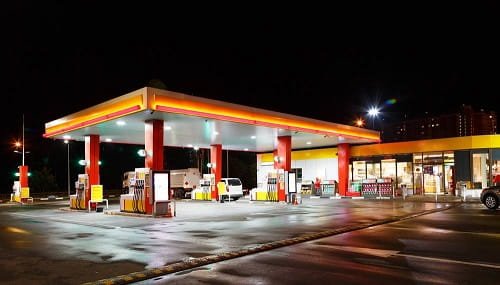
Fuel is one of the most essential commodities in modern life. Every day, millions of vehicles travel on Indian roads including cars, bikes, buses, trucks, taxis, and delivery vehicles. All of these depend on petrol or diesel to operate. Because transportation plays a crucial role in the country’s economy, fuel demand remains strong throughout the year.
With the rapid increase in vehicle ownership and highway development, petrol pumps have become an important part of the transportation network. They serve thousands of customers daily and operate continuously with very little seasonal fluctuation. This steady demand makes many entrepreneurs consider opening a petrol pump as a long-term business. However, understanding the investment, revenue structure, and operating costs is essential to determine whether this business can be profitable in India.
Constant Demand for Fuel
One of the biggest strengths of the petrol pump business is the continuous demand for petrol and diesel. India has one of the fastest-growing automobile markets in the world. Every year, millions of new two-wheelers, cars, and commercial vehicles are added to the roads.
Apart from personal vehicles, fuel is also required for trucks, buses, taxis, agricultural machines, generators, and construction equipment. These sectors ensure that fuel demand remains stable even when economic conditions fluctuate.
Because of this constant demand, petrol pumps usually experience regular customer flow throughout the day, especially if they are located on busy roads or highways.
Commission-Based Profit Model
Petrol pump owners do not set the price of petrol or diesel themselves. Fuel prices are determined by oil marketing companies and government policies. Instead of earning profits through price markup, petrol pump dealers receive a fixed commission for every litre of fuel sold.
In India, the approximate dealer commission is usually:
- Petrol: around ₹3 to ₹4 per litre
- Diesel: around ₹2 to ₹3 per litre
Although the margin per litre appears small, petrol pumps sell large quantities of fuel daily. Because of this high sales volume, the total income can become significant.
The profitability of the petrol pump business therefore depends largely on the number of litres sold each day.
Example of Fuel Sales and Income
To understand the earnings better, consider a moderately busy petrol pump.
Average daily fuel sales:
- Petrol: 4,000 litres
- Diesel: 6,000 litres
Total daily fuel sales = 10,000 litres
Estimated daily income from commission:
Petrol profit
4,000 × ₹3.5 ≈ ₹14,000
Diesel profit
6,000 × ₹2.5 ≈ ₹15,000
Total daily gross income = ₹29,000
Monthly gross income:
₹29,000 × 30 days
≈ ₹8.7 lakh per month
This figure represents revenue before deducting operational expenses.
Monthly Operating Expenses
Running a petrol pump requires regular expenses for staff, electricity, maintenance, and other operational needs.
Typical monthly expenses may include:
| Expense | Approx Monthly Cost |
| Staff salaries | ₹1.5 – ₹2 lakh |
| Electricity bills | ₹40,000 – ₹60,000 |
| Maintenance & repairs | ₹30,000 – ₹50,000 |
| Security & miscellaneous | ₹30,000 – ₹40,000 |
| Administrative costs | ₹20,000 – ₹30,000 |
Total operating expenses usually range between:
₹3 lakh – ₹4 lakh per month
After subtracting expenses from revenue, the estimated monthly profit could be around:
₹4 lakh – ₹5 lakh
Annual profit may reach approximately ₹48 lakh – ₹60 lakh, depending on the location and sales volume.
Additional Sources of Income
Many petrol pump owners increase profitability by offering additional services within the station. These services attract more customers and generate extra revenue beyond fuel sales.
Common additional services include:
- Convenience stores or mini supermarkets
- Car washing facilities
- Air filling stations
- Engine oil and lubricant sales
- Small food outlets or cafes
- ATM machines
For example, a small convenience store or car washing service can generate ₹50,000 to ₹2 lakh per month depending on customer traffic.
Highway petrol pumps especially benefit from such services because travellers often stop for food, rest, and vehicle maintenance.
Investment Required to Start
Starting a petrol pump requires significant investment. The total cost depends mainly on land location, infrastructure setup, and licensing.
Land Requirement
Typical land requirement:
- Highway petrol pump: 800–1200 square meters
- City petrol pump: 600–1000 square meters
Land cost varies greatly depending on location.
Estimated land prices:
- Rural area: ₹20 lakh – ₹60 lakh
- Small town: ₹50 lakh – ₹1.5 crore
- Prime city or highway location: ₹1 crore – ₹5 crore or more
Many entrepreneurs reduce costs by leasing land instead of purchasing it.
Infrastructure Setup
The fuel station setup includes construction, underground tanks, dispensing machines, and safety systems.
Approximate infrastructure costs:
| Setup Component | Estimated Cost |
| Underground fuel storage tanks | ₹15 – ₹25 lakh |
| Fuel dispensing machines | ₹12 – ₹20 lakh |
| Construction and civil work | ₹20 – ₹40 lakh |
| Electrical and safety equipment | ₹5 – ₹10 lakh |
| Office and basic facilities | ₹3 – ₹5 lakh |
Total infrastructure investment usually ranges between:
₹60 lakh – ₹1 crore
Working Capital
Additional funds are required for initial fuel stock, staff salaries, and daily operations.
Estimated working capital:
₹10 lakh – ₹20 lakh
Total Investment
Depending on location, the total investment may be:
| Location | Total Investment |
| Rural petrol pump | ₹70 lakh – ₹1.2 crore |
| Small town | ₹1 crore – ₹2 crore |
| City or highway location | ₹2 crore – ₹5 crore+ |
Importance of Location
Location is one of the most important factors that determine the success of a petrol pump. Fuel stations located on busy roads, highways, or near commercial areas usually experience higher fuel sales.
Petrol pumps near bus stands, industrial areas, or transport hubs often attract large numbers of vehicles daily.
On the other hand, pumps located in low-traffic areas may struggle to achieve high sales volumes, which directly affects profitability.
Challenges in the Petrol Pump Business
Despite the strong demand for fuel, this business also has certain challenges.
One major limitation is the fixed commission structure, which means dealers cannot freely increase fuel prices to improve margins.
Another challenge is the high initial investment required for land and infrastructure.
Competition can also affect sales, especially if several petrol pumps operate close to each other.
Additionally, strict safety regulations must be followed because petrol and diesel are highly flammable products. Regular inspections and proper maintenance are necessary to ensure safe operations.
Future Opportunities
The fuel retail industry in India continues to evolve with changing transportation trends. Many modern petrol pumps are expanding their services to become multi-service centers.
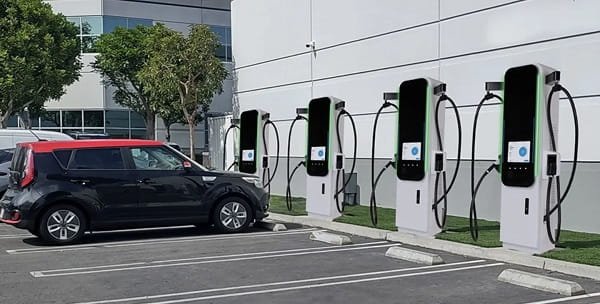
New facilities such as electric vehicle charging stations, food outlets, rest areas, and convenience stores are becoming common.
These additional services help petrol pumps increase revenue and attract more customers.
Conclusion
The petrol pump business in India operates in a sector with constant demand driven by the country’s growing transportation needs. Millions of vehicles require petrol and diesel every day, ensuring a steady customer base for fuel stations.
Although profit margins on fuel are relatively small per litre, high sales volume and additional services can generate stable income. In busy locations, petrol pump owners can earn several lakhs of rupees per month after covering operational expenses.
However, the business requires significant investment, proper location selection, and efficient management. Entrepreneurs who carefully plan their investment and maintain smooth operations often find the petrol pump business to be a profitable long-term venture in India.