



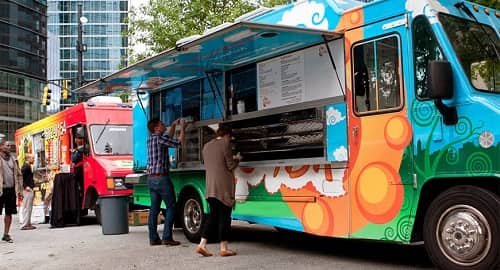
The food industry in India has changed a lot over the past decade. Along with traditional restaurants and street food stalls, food trucks have become increasingly popular in many cities. These mobile kitchens offer quick, affordable meals and unique food experiences to customers.
Food trucks are commonly seen near offices, colleges, tourist areas, and busy markets. They attract customers who want tasty food at reasonable prices without spending too much time in restaurants. Because of this growing popularity, many entrepreneurs are considering starting a food truck business.
The main attraction of this business is that it usually requires lower investment compared to opening a full restaurant. However, profitability depends on several factors such as location, menu pricing, food quality, and daily customer traffic.
Growing Popularity of Food Trucks
Food trucks have gained popularity mainly in urban areas such as Delhi, Mumbai, Bengaluru, Hyderabad, and Pune. Young customers, students, and office workers often prefer quick meals that are both affordable and convenient.
Food trucks also allow entrepreneurs to experiment with different cuisines. Many food trucks specialize in burgers, sandwiches, noodles, momos, wraps, pizzas, and regional street food. Some trucks also focus on unique concepts like fusion food or international dishes.
Social media has played a major role in promoting food trucks. Attractive food photos, customer reviews, and online promotions help these businesses attract large numbers of customers.
Because of these trends, the food truck industry continues to grow in many Indian cities.
Lower Investment Compared to Restaurants
One of the biggest advantages of a food truck business is the relatively lower startup cost. Opening a restaurant requires expensive rent, interior design, and large staff. A food truck, on the other hand, operates from a mobile kitchen.
Typical initial costs for a food truck business include:
| Expense | Approx Cost |
| Food truck vehicle | ₹3 lakh – ₹6 lakh |
| Kitchen equipment | ₹1 lakh – ₹2 lakh |
| Cooking utensils | ₹50,000 – ₹1 lakh |
| Licenses and permits | ₹20,000 – ₹50,000 |
| Initial raw materials | ₹20,000 – ₹40,000 |
Total investment may range between:
₹5 lakh – ₹10 lakh
This investment is much lower than opening a restaurant, which may require ₹20 lakh or more.
Daily Sales and Revenue Example
Profit in the food truck business depends largely on the number of customers served each day.
Suppose a food truck sells items such as burgers, noodles, momos, and drinks.
Average price per customer: ₹120
If the truck serves 150 customers per day, the daily revenue becomes:
₹120 × 150 = ₹18,000 per day
Monthly revenue (30 days):
₹18,000 × 30 = ₹5.4 lakh
Monthly Expenses
Running a food truck involves several operational expenses.
Typical monthly costs may include:
| Expense | Approx Monthly Cost |
| Raw materials and ingredients | ₹2 – ₹2.5 lakh |
| Staff salaries | ₹50,000 – ₹80,000 |
| Fuel and maintenance | ₹20,000 – ₹30,000 |
| Parking fees and permits | ₹10,000 – ₹20,000 |
| Miscellaneous expenses | ₹20,000 – ₹30,000 |
Total monthly expenses may be around:
₹3 lakh – ₹3.5 lakh
Estimated Profit
If the monthly revenue is ₹5.4 lakh and expenses are around ₹3.2 lakh, the estimated monthly profit may be:
₹2 lakh – ₹2.2 lakh
Annual profit could reach approximately:
₹20 lakh – ₹25 lakh, depending on sales and location.
These numbers can vary significantly depending on the popularity of the food truck and customer demand.
Importance of Location
Location is one of the most important factors in the success of a food truck business. Food trucks located in busy areas usually attract more customers.
Popular locations include:
- Office complexes
- College areas
- Tourist destinations
- Shopping streets
- Night markets
Some food truck owners also move to different locations during the day to serve different groups of customers.
For example, they may serve office workers during lunch hours and move to busy market areas in the evening.
Flexibility of the Business
One unique advantage of a food truck is mobility. Unlike a restaurant, the owner can move the truck to different locations where customer demand is higher.
This flexibility allows businesses to participate in festivals, food events, fairs, and special gatherings where large crowds are present.
Food trucks can also experiment with different menus and pricing strategies based on customer preferences.
Because of this flexibility, many entrepreneurs find the food truck model more adaptable than traditional restaurants.
Challenges in the Food Truck Business
Despite its advantages, the food truck business also has some challenges.
One major issue is obtaining the necessary licenses and permits from local authorities. Regulations may vary from city to city, and certain areas may restrict where food trucks can operate.
Weather conditions can also affect business. Heavy rain or extreme heat may reduce customer traffic.
Competition is another challenge, especially in cities where many food trucks operate in the same areas.
Maintaining hygiene, food quality, and consistent taste is also essential for building customer trust.
Opportunities for Growth
The food truck industry still has significant growth potential in India. As urban lifestyles become busier, quick-service food options continue to gain popularity.
Entrepreneurs can expand their food truck business by:
- Adding more trucks in different locations
- Creating a unique food brand
- Participating in food festivals and events
- Offering online food delivery through apps
Some successful food truck businesses eventually grow into restaurant chains or cloud kitchen brands.
Conclusion
The food truck business in India offers a promising opportunity for entrepreneurs who want to enter the food industry with relatively lower investment. The growing popularity of street food culture, urban lifestyle changes, and social media marketing have helped this sector expand rapidly.
While the business requires careful location selection, proper licensing, and consistent food quality, it can generate attractive profits when managed effectively.
For individuals who enjoy cooking, experimenting with food concepts, and interacting with customers, a food truck business can become a profitable and scalable venture in India.