




Vegetables are one of the most essential food items in every Indian household. Whether it is a small village or a large city, people buy fresh vegetables almost every day. Because vegetables are a basic part of daily meals, the demand for them remains constant throughout the year.
India is one of the largest producers of vegetables in the world. Farmers grow a wide variety of vegetables such as potatoes, onions, tomatoes, cabbage, cauliflower, and many seasonal crops. These vegetables pass through several stages of distribution before reaching consumers, including wholesalers, traders, and retailers.
Due to this continuous demand and regular consumption, many people consider starting a vegetable business. However, the profitability of this business depends on factors such as sourcing, pricing, transportation, and market location.
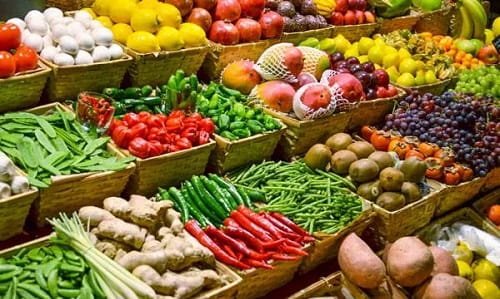
Constant Demand in the Market
One of the biggest advantages of the vegetable business is the consistent demand. Vegetables are daily essentials in Indian cooking, which means customers purchase them frequently.
Unlike many products that are bought occasionally, vegetables are purchased almost every day by households, restaurants, hotels, and food vendors. This creates a steady market for vegetable sellers.
In addition, India’s large population ensures that vegetable consumption remains high across all regions. Even small vegetable vendors in local markets often manage to sell most of their stock within a day.
Because of this regular demand, the vegetable business can provide daily cash flow for traders and retailers.
Different Types of Vegetable Businesses
The vegetable trade in India operates at different levels. Entrepreneurs can enter the business through several models depending on their investment capacity.
Some common vegetable business models include:
- Vegetable farming
- Wholesale vegetable trading
- Retail vegetable shops
- Street vegetable vendors
- Vegetable supply to hotels and restaurants
Wholesale traders purchase vegetables directly from farmers or agricultural markets and sell them in large quantities to retailers. Retail vendors then sell these vegetables to individual customers in markets or shops.
Each level of the supply chain offers different profit margins.
Low Investment to Start
Another advantage of the vegetable business is that it can be started with relatively low investment, especially at the retail level.
For example, a small vegetable stall or cart may require:
| Item | Approx Cost |
| Vegetable cart or stall | ₹10,000 – ₹20,000 |
| Initial vegetable stock | ₹5,000 – ₹10,000 |
| Weighing machine | ₹1,000 – ₹2,000 |
| Bags and storage boxes | ₹1,000 – ₹2,000 |
Total starting investment may be around:
₹15,000 – ₹35,000
Because of the low startup cost, many people start vegetable businesses as small local vendors and gradually expand.
Profit Margin in Vegetable Business
Profit in the vegetable business mainly depends on buying vegetables at lower wholesale prices and selling them at retail prices.
Retail vegetable sellers typically earn a margin of 15% to 40% depending on the vegetable type and market conditions.
For example:
Suppose a vendor buys vegetables worth ₹5,000 from a wholesale market.
If these vegetables are sold with an average margin of 25%, total sales become:
₹5,000 + 25% = ₹6,250
Profit for the day:
₹6,250 – ₹5,000 = ₹1,250
If the vendor sells vegetables every day, the monthly income may reach approximately:
₹1,250 × 30 = ₹37,500
Actual profits may vary depending on location, demand, and spoilage.
Opportunities in Wholesale Vegetable Trade
Wholesale vegetable trading offers larger profit potential but requires higher investment and logistics.
Wholesale traders purchase vegetables in bulk from farmers or agricultural markets known as mandis. These traders then sell vegetables to multiple retailers, hotels, and local vendors.
Because they handle large volumes, even small margins per kilogram can generate substantial income.
However, this model requires proper storage facilities, transportation arrangements, and strong relationships with farmers and buyers.
Importance of Location
Location plays a very important role in the vegetable business. Vendors located in busy residential areas, near markets, or close to apartment complexes usually attract more customers.
Areas with high population density often provide steady customer traffic throughout the day.
Retail vegetable shops located near grocery stores or markets also benefit from regular customers who prefer buying all household items in one place.
Choosing a location where customers frequently purchase vegetables can significantly improve daily sales.
Challenges in the Vegetable Business
Despite its advantages, the vegetable business also has certain challenges.
One major challenge is the perishable nature of vegetables. Fresh vegetables spoil quickly if they are not sold within a short period of time. Unsold vegetables may lead to losses.
Price fluctuations are another issue. Vegetable prices can change rapidly depending on weather conditions, supply levels, and seasonal factors.
Transportation and storage also require careful management to prevent damage to vegetables during handling.
Because of these challenges, vendors must manage inventory carefully and purchase quantities that match daily demand.
Opportunities for Expansion
The vegetable business offers several opportunities for growth if managed properly.
Entrepreneurs can expand their business by:
- Opening a larger vegetable shop
- Supplying vegetables to restaurants and hotels
- Starting an online vegetable delivery service
- Selling organic vegetables
- Partnering with farmers for direct supply
Online vegetable delivery services have become popular in many cities as customers prefer the convenience of home delivery.
Businesses that focus on freshness, quality, and reliable service often build loyal customer bases.
Conclusion
The vegetable business in India operates in a market with constant demand because vegetables are an essential part of everyday meals. The business can be started with relatively low investment and provides daily income opportunities.
Profit margins may vary depending on sourcing, location, and sales volume, but many vegetable vendors manage to earn steady income by maintaining regular customers and managing stock efficiently.
Although challenges such as spoilage and price fluctuations exist, careful planning and efficient management can help overcome these issues. For individuals looking to start a small business with low investment, the vegetable business can be a practical and potentially profitable option in India.