



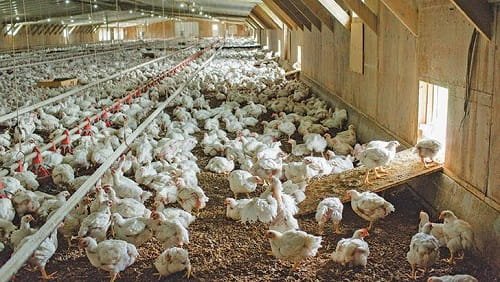
Poultry farming is one of the fastest-growing sectors in Indian agriculture. Chicken and eggs are widely consumed across the country, making poultry an important source of food and income. Over the last few decades, the demand for poultry products has increased significantly due to population growth, rising incomes, and changing food habits.
Chicken is now one of the most affordable sources of protein for many Indian households. Eggs are also widely used in homes, bakeries, restaurants, and food processing industries. Because of this strong and consistent demand, poultry farming has become an attractive business opportunity for farmers and entrepreneurs.
However, before entering this industry, it is important to understand the investment required, operational costs, and profit potential. These factors help determine whether poultry farming can be a profitable business in India.
Rising Demand for Chicken and Eggs
One of the biggest advantages of the poultry business is the steady demand for poultry products. India is one of the largest consumers of eggs and chicken in the world. As the population grows and dietary preferences change, the demand for protein-rich foods continues to increase.
Chicken is commonly consumed in restaurants, street food stalls, hotels, and households. Eggs are also an important part of daily diets for many people, especially in urban areas.
In addition, poultry products are used in bakeries, packaged food industries, and fast-food chains. Because of these multiple sources of demand, poultry farmers usually find a large market for their products.
Two Main Types of Poultry Farming
Poultry farming in India is mainly divided into two categories:
Broiler farming and layer farming.
Broiler farming focuses on raising chickens for meat production. These chickens grow quickly and are usually ready for sale within 35 to 45 days.
Layer farming focuses on producing eggs. Layer hens start laying eggs at around five months of age and continue producing eggs for more than a year.
Entrepreneurs can choose either model depending on their investment capacity and business goals.
Investment Required to Start Poultry Farming
Starting a poultry farm requires investment in infrastructure, chicks, feed, and equipment. The total investment depends on the scale of the farm.
For example, consider a small broiler poultry farm with 1,000 chickens.
Approximate initial costs may include:
| Expense | Estimated Cost |
| Poultry shed construction | ₹1.5 – ₹2.5 lakh |
| Feeding and watering equipment | ₹30,000 – ₹50,000 |
| 1,000 broiler chicks | ₹40,000 – ₹50,000 |
| Initial feed cost | ₹60,000 – ₹80,000 |
| Vaccination and medicines | ₹10,000 – ₹15,000 |
Total starting investment may range between:
₹2.5 lakh – ₹4 lakh
Farmers who already have land can reduce costs significantly.
Profit Example in Broiler Farming
Broiler chickens usually reach a weight of about 2 kg within 40 days.
Suppose a farmer raises 1,000 broiler chickens.
If the average selling price of chicken is around ₹110 per kg, the selling price per bird may be around:
2 kg × ₹110 = ₹220 per chicken
Total revenue from 1,000 chickens:
₹220 × 1,000 = ₹2,20,000
Total production cost for feed, chicks, medicines, and electricity may be around:
₹1,80,000 – ₹1,90,000
Estimated profit per cycle:
₹30,000 – ₹40,000
Since broiler farming cycles last around 40–45 days, farmers can run several cycles in a year.
Annual profits can increase significantly if multiple cycles are managed efficiently.
Profit Potential in Layer Farming
Layer farming focuses on egg production. A healthy layer hen can produce about 280–300 eggs per year.
For example, if a farm has 1,000 layer hens, total annual egg production could be around:
1,000 × 280 = 2,80,000 eggs per year
If the average market price of eggs is ₹5 per egg, total annual revenue may reach:
₹5 × 2,80,000 = ₹14 lakh
After deducting feed costs, medicines, labor, and maintenance, farmers can still earn a reasonable profit depending on market conditions.
Low Land Requirement
Another advantage of poultry farming is that it does not require large agricultural land. A poultry farm can be established on relatively small land areas as long as proper ventilation, hygiene, and biosecurity measures are maintained.
This makes poultry farming suitable even for small farmers or rural entrepreneurs who want to generate additional income.
With proper farm management, even small farms can expand gradually over time.
Government Support and Training
The Indian government and agricultural institutions actively promote poultry farming as a source of rural employment.
Several government programs provide:
- Poultry farming training
- Subsidized loans
- Technical guidance
- Support through agricultural departments
Institutions such as Krishi Vigyan Kendras (KVKs) and veterinary universities often provide training programs that help beginners learn proper poultry management techniques.
These initiatives encourage farmers to adopt poultry farming as a profitable agricultural activity.
Challenges in Poultry Farming
Despite its profit potential, poultry farming also involves certain risks. One of the biggest challenges is the fluctuation in feed prices, which can affect overall production costs.
Disease outbreaks can also cause losses if farms do not maintain proper hygiene and vaccination schedules.
Market prices for chicken and eggs may also fluctuate depending on supply and demand. During certain periods, prices may drop temporarily.
Farmers must therefore manage feed costs carefully and follow proper disease prevention practices to maintain healthy flocks.
Opportunities for Growth
The poultry industry in India continues to grow as protein consumption increases. Demand for processed chicken products, packaged eggs, and poultry-based foods is also rising in urban markets.
Entrepreneurs can expand their poultry business through:
- Large-scale broiler farming
- Egg production farms
- Organic poultry farming
- Poultry feed supply
- Chicken processing units
With proper planning and good farm management, small poultry farms can gradually grow into larger commercial operations.
Conclusion
Poultry farming has become an important agricultural business in India due to the strong demand for chicken and eggs. The industry benefits from a large consumer base, relatively short production cycles, and the ability to generate regular income.
Although the business involves challenges such as feed costs and disease management, proper planning and farm management can help farmers maintain steady profits.
For individuals interested in agriculture or rural entrepreneurship, poultry farming offers a practical and potentially profitable business opportunity in India.