




India is the world’s largest milk producer — generating over 230 million metric tonnes annually through a production system involving more than 75 million dairy farming households — and dairy products are consumed across every meal, every culture, every income level, and every geography within the country. Milk, curd, paneer, ghee, butter, buttermilk, and ice cream are not optional additions to the Indian diet but fundamental nutritional and cultural essentials whose demand is structural and growing continuously with population expansion, income growth, and urbanisation. Whether a dairy business is profitable in India in 2026 requires distinguishing between the several distinct entry points within this enormous industry — raw milk production and selling, dairy processing and value-added product manufacturing, organised retail distribution, and specialised dairy product categories — each with different capital requirements, margin structures, and competitive dynamics.
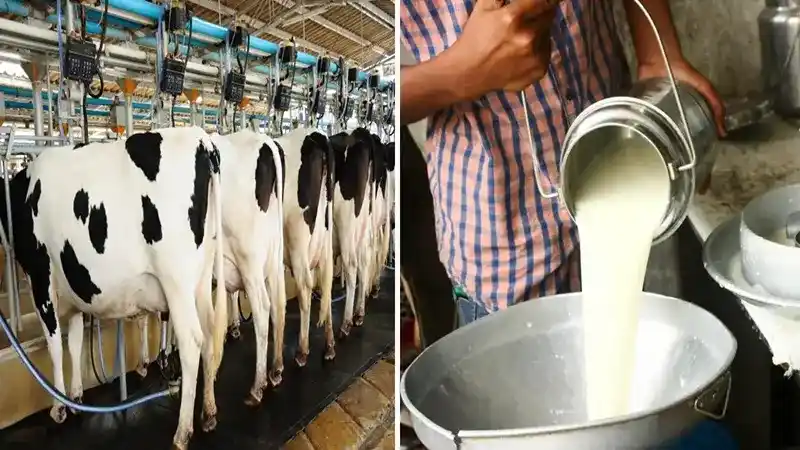
The Indian Dairy Industry Landscape
India’s dairy sector operates through three parallel structures simultaneously. The cooperative sector — led by Amul, Karnataka Milk Federation, Mother Dairy, and state-level dairy cooperatives — handles enormous volumes of procurement, processing, and distribution with government support and farmer welfare mandates. The private organised sector — Nestlé, Britannia, Heritage Foods, Parag Milk Foods — competes in processed and value-added dairy categories with branded products targeting urban consumers. The unorganised sector — individual farmers, local dairy shops, and small processors — still accounts for significant milk distribution particularly in rural and semi-urban areas. New entrants in 2026 find the strongest profitability opportunities in value-added products, premium dairy categories, direct-to-consumer distribution in urban markets, and specialised dairy segments that the cooperative and large private sectors underserve.
Dairy Business Key Financial Parameters
| Parameter | Small Dairy Farm | Processing and Value-Add Unit | Retail Dairy Shop | Premium / A2 Dairy |
| Capital investment | ₹5 lakh–50 lakh | ₹15 lakh–2 crore | ₹3 lakh–15 lakh | ₹10 lakh–1 crore |
| Animal cost — per cow | ₹40,000–1.5 lakh | Not applicable | Not applicable | ₹80,000–3 lakh (indigenous breeds) |
| Daily milk yield per cow | 8–25 litres | Not applicable | Not applicable | 5–12 litres — A2 breeds |
| Raw milk procurement price | ₹28–40 per litre | ₹28–45 per litre | ₹30–50 per litre | ₹50–80 per litre A2 |
| Retail selling price — milk | ₹40–60 per litre | ₹48–80 per litre processed | ₹50–70 per litre | ₹80–120 per litre A2 |
| Paneer selling price | Not processed | ₹300–500 per kg | ₹350–550 per kg | ₹600–1,200 per kg premium |
| Ghee selling price | Not processed | ₹500–800 per kg | ₹600–900 per kg | ₹1,200–3,000 per kg A2 |
| Monthly net income — 20 cows | ₹30,000–80,000 | Not applicable | Not applicable | ₹60,000–2 lakh |
| Gross profit margin — processing | Not applicable | 25–40% | 20–35% | 45–65% premium products |
| Break-even period | 2–4 years | 2–4 years | 1–2 years | 3–5 years |
| FSSAI licence | Required | Required | Required | Required |
Profitability Drivers and Market Opportunities
Value-Added Product Margin Superiority: The single most important profitability lever in the dairy business is shifting from raw milk selling — where margins are thin and commodity pricing prevails — toward value-added products where processing transforms low-margin milk into high-margin consumer products. Ten litres of milk selling as raw commodity at ₹35 per litre generates ₹350. The same ten litres processed into approximately one kilogram of paneer selling at ₹450-550 generates 28-57% more revenue — and further processing into premium ghee or artisan cheese multiplies the revenue per litre of milk input dramatically. Every step up the value-addition chain improves profitability provided processing quality and distribution are managed competently.
A2 Milk Premium Market: India’s A2 milk movement — positioning milk from indigenous breeds including Gir, Sahiwal, Tharparkar, and Red Sindhi as nutritionally superior to A1 milk from crossbred and Holstein cows — has created a premium market segment where consumers pay ₹80-120 per litre for A2 certified milk versus ₹50-60 for standard milk. Ghee produced from A2 milk commands ₹1,500-3,000 per kilogram versus ₹600-900 for standard ghee. For dairy entrepreneurs willing to invest in indigenous breed herds, A2 certification processes, and direct-to-consumer brand building, this premium segment offers margins that make dairy genuinely highly profitable rather than marginally so.
Direct-to-Consumer Urban Distribution: Urban dairy businesses that develop subscription-based home delivery — providing daily fresh milk, weekly paneer and curd, and premium ghee directly to apartment households — eliminate distributor and retailer margins while building customer relationships that generate lifetime value well beyond commodity dairy channels. WhatsApp-based subscription management, app-based ordering, and reliable morning delivery schedules have enabled numerous urban dairy entrepreneurs to build profitable direct-to-consumer businesses serving 200-1,000 household subscribers with dramatically better margins than wholesale channel economics.
Organic and Specialty Dairy: Organic certified dairy products, buffalo milk products for premium paneer and khoya, sheep milk cheese, and plant-milk alternatives represent emerging specialty segments with limited competition and strong premium pricing. Entrepreneurs with genuine expertise in these specific categories find less crowded market positioning than standard dairy product categories where cooperative and large private sector competition is intense.
Operational Challenges Requiring Honest Assessment
Perishability and Cold Chain Dependency: Dairy products are among the most perishable of all food categories — requiring unbroken cold chain from farm through processing and distribution to final consumer. Any breakdown in refrigeration during storage, transport, or retail holding creates product spoilage that generates direct financial loss while risking customer safety incidents that damage brand reputation irreparably. Building and maintaining reliable cold chain infrastructure represents a significant ongoing operational cost and management attention requirement.
Regulatory and Quality Compliance: FSSAI licensing and compliance is mandatory for all dairy businesses — covering processing facility standards, product composition requirements, labelling regulations, and periodic testing obligations. Milk adulteration testing, fat content verification, and bacteriological safety standards require laboratory testing infrastructure or third-party testing relationships. Non-compliance creates product seizure risk and licence cancellation exposure that can destroy business investment overnight.
Animal Health and Productivity Management: Farm-based dairy businesses face the additional operational complexity of animal health management — veterinary care, vaccination schedules, fodder quality management, breeding programmes, and herd productivity optimisation require ongoing expertise and cost management. Animal mortality from disease creates sudden capital loss that financial planning must anticipate through appropriate insurance and contingency reserves.
Dairy Business vs Alternative Food Production Businesses
| Parameter | Dairy Business | Poultry / Eggs | Food Processing | Organic Farming |
| Daily revenue generation | Very high — daily milk | High — daily eggs | Moderate | Low — seasonal |
| Perishability risk | Very high | High | Variable | High — fresh produce |
| Capital requirement | Moderate to high | Moderate | Moderate | Moderate |
| Government support | Strong — cooperative infrastructure | Moderate | Moderate | Growing |
| Premium segment potential | Very high — A2, organic | Moderate | High | Very high |
| Value addition potential | Excellent — paneer, ghee, cheese | Moderate — eggs products | High | Moderate |
| Break-even period | 2–5 years | 1–2 years | 2–4 years | 3–5 years |
| Recurring demand | Excellent — daily consumption | Excellent | Good | Seasonal |
The dairy business is genuinely profitable in India for entrepreneurs who move beyond raw milk commodity selling into value-added product manufacturing, build direct-to-consumer distribution channels that capture full retail margins, invest in the A2 or organic premium segments where pricing power is strongest, and manage cold chain operations and FSSAI compliance with the rigour that food safety regulations demand. India’s structural dairy demand growth — driven by population expansion, protein awareness, and rising incomes — provides the market foundation. Profitability depends entirely on how intelligently that opportunity is captured through product strategy, distribution excellence, and operational discipline.