




Drop shipping — the business model where a retailer sells products online without maintaining physical inventory, instead forwarding customer orders directly to suppliers who ship products to end customers — has attracted enormous entrepreneurial interest in India over the past several years. The model’s appeal is straightforward: start an e-commerce business with minimal capital, zero inventory risk, and no warehouse requirement — appearing to offer the benefits of retail entrepreneurship without its traditional capital and operational demands. Whether drop shipping is profitable in India in 2026 requires honest evaluation that separates the model’s genuine advantages from the significant practical challenges that Indian market realities impose — because drop shipping’s theoretical appeal frequently collides with logistics infrastructure limitations, customer expectation mismatches, and margin compression that makes profitability genuinely difficult without sophisticated execution.
How Drop Shipping Works in the Indian Context
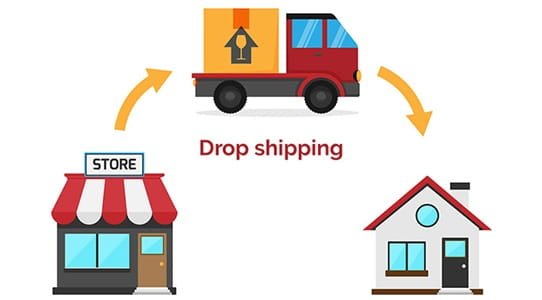
In the Indian drop shipping model, a seller creates an online store — through Shopify, WooCommerce, or marketplace seller accounts on Amazon and Flipkart — lists products sourced from domestic suppliers on platforms like IndiaMart, GlowRoad, Meesho, or directly from manufacturers, and promotes these listings through social media advertising, influencer partnerships, or search marketing. When a customer places an order, the drop shipper forwards the order to the supplier who ships directly to the customer. The drop shipper earns the margin between the retail selling price and the supplier’s wholesale price — without ever physically handling the product.
The Indian drop shipping ecosystem differs significantly from international models — where AliExpress enables extremely long supply chains from China with 15-30 day delivery windows that Indian consumers today refuse to accept. India’s drop shipping is more viable through domestic supplier networks that deliver within 3-7 days — meeting the 24-72 hour delivery expectations that Flipkart and Amazon have established as customer norms in major cities.
Drop Shipping Business Key Financial Parameters
| Parameter | Beginner — Single Niche | Established Operation | Multi-Category Scale | International Drop Shipping |
| Startup capital | ₹20,000–1 lakh | ₹1 lakh–5 lakh | ₹5 lakh–20 lakh | ₹50,000–3 lakh |
| Website / platform cost monthly | ₹1,500–5,000 (Shopify) | ₹3,000–10,000 | ₹5,000–20,000 | ₹1,500–5,000 |
| Marketing spend monthly | ₹10,000–50,000 | ₹50,000–3 lakh | ₹2 lakh–10 lakh | ₹20,000–2 lakh |
| Average order value | ₹500–2,000 | ₹800–3,000 | ₹600–2,500 | ₹1,500–8,000 |
| Gross margin per order | 15–30% | 20–35% | 18–32% | 25–50% |
| Return and refund rate | 8–20% | 6–15% | 8–18% | 3–10% |
| Payment gateway charges | 1.5–2.5% of order value | 1.5–2% | 1.2–2% | 2–3.5% |
| Monthly orders at profitability | 200–500 | 500–2,000 | 2,000–8,000 | 100–500 |
| Monthly net profit — established | ₹15,000–80,000 | ₹50,000–3 lakh | ₹2 lakh–10 lakh | ₹30,000–2 lakh |
| Break-even period | 3–9 months | 2–6 months | 6–12 months | 3–8 months |
| GST requirement | Required above ₹20 lakh | Required | Required | Required + import compliance |
Genuine Advantages of Drop Shipping
Minimal Capital Requirements: Drop shipping’s most genuine advantage is its dramatically lower capital requirement compared to conventional e-commerce inventory models. A traditional e-commerce business might require ₹5-20 lakh in inventory investment before the first sale — creating substantial financial risk if product selection proves incorrect. Drop shipping requires capital only for website development, marketing, and business registration — allowing entrepreneurs to test multiple product categories with limited financial exposure before committing to any specific niche.
Product Range Flexibility: Drop shippers can test and list hundreds of products without purchasing inventory — identifying which specific items generate customer demand before committing to stocking them. This product testing flexibility allows rapid market validation and pivot capability that inventory-based e-commerce cannot match economically.
Niche Market Specialisation: Drop shipping’s most successful practitioners in India have found profitability through tight niche specialisation — building stores around specific customer identities rather than broad product categories. A store dedicated to home yoga practitioners, urban cycling enthusiasts, or organic parenting products builds recognisable brand identity that attracts targeted audiences more efficiently than generic multi-category stores competing against Amazon and Flipkart on every product simultaneously.
International Drop Shipping Opportunity: Indian entrepreneurs selling internationally — primarily to US, UK, and Australian customers through Shopify stores — can source unique Indian products including handicrafts, Ayurvedic products, ethnic clothing, and artisan goods with significant margin advantages relative to their overseas selling prices. Indian artisan products that cost ₹200-500 domestically sell for $20-60 internationally — producing margins of 40-60% before advertising that substantially exceed domestic drop shipping economics.
Serious Challenges That Cannot Be Minimised
Delivery Speed and Logistics Reliability: India’s customer delivery expectations have been shaped by Amazon Prime and Flipkart’s 24-48 hour delivery capabilities in major cities — expectations that domestic drop shipping supplier networks frequently struggle to meet consistently. Suppliers who ship in 5-7 days generate customer complaints, cancellations, and negative reviews that destroy store reputation faster than any marketing investment can rebuild it. Supplier reliability — maintaining accurate stock levels, shipping promptly, and packaging properly — is entirely outside the drop shipper’s direct control, creating customer experience vulnerability that inventory-holding businesses do not face.
Margin Compression and Advertising Cost: India’s intensely competitive e-commerce landscape has driven advertising costs on Meta and Google significantly higher over the past three years — making customer acquisition economics considerably more challenging than the theoretical margin calculations that beginners assume. A product with 25% gross margin generates ₹250 on a ₹1,000 order — but if acquiring that customer requires ₹300 in Meta advertising spend, the order generates a net loss before payment gateway fees, platform costs, and returns. Achieving sustainable profitability requires either advertising efficiency through excellent targeting and creative, or organic traffic development through SEO and content marketing that takes 6-18 months to generate meaningful volume.
High Return Rates in Indian Market: India’s e-commerce return culture — where cash-on-delivery orders are frequently rejected on delivery and online purchases returned for minor quality disappointments — creates return rate challenges of 10-20% for fashion, lifestyle, and low-ticket products that directly destroy margin economics. Managing returns with drop shipping suppliers — who may not accept returns, charge restocking fees, or take weeks to process refunds — creates cash flow complications that beginners frequently underestimate.
Drop Shipping vs Alternative E-Commerce Models
| Parameter | Drop Shipping | Inventory E-Commerce | Print on Demand | Reselling — Meesho |
| Startup capital | Very low | High | Very low | Very low |
| Inventory risk | None | High | None | None |
| Gross margin | 15–35% | 30–60% | 20–40% | 10–25% |
| Delivery control | None — supplier dependent | Full control | Partial | Partial |
| Scalability | High | Moderate | High | Moderate |
| Brand building potential | Moderate | High | Moderate | Low |
| Return handling complexity | High — supplier coordination | Direct | Moderate | Platform managed |
| Net profit potential | Moderate | High with scale | Moderate | Low |
Drop shipping is profitable in India for entrepreneurs who develop genuine niche focus rather than broad product scattering, invest in advertising efficiency and organic traffic development, build rigorous supplier vetting and relationship management systems, explore international selling for superior margin opportunities, and approach the business with realistic 6-12 month timelines to profitability rather than the overnight income promises that drop shipping training courses frequently make.