




India is one of the world’s largest fruit producers — cultivating mangoes, bananas, grapes, apples, oranges, pomegranates, guavas, papayas, litchis, and dozens of other varieties across its diverse agricultural geographies. Fruit is consumed daily by virtually every Indian household, purchased fresh multiple times weekly, and increasingly sought in processed, packaged, and premium forms that create value-added business opportunities beyond basic trading. Whether a fruit business is profitable in India in 2026 requires distinguishing between the several entry points available — farming, commission trading in mandis, retail vending, organised retail supply, and value-added processing — because profitability varies dramatically across these formats depending on margins, capital requirements, and perishability management.
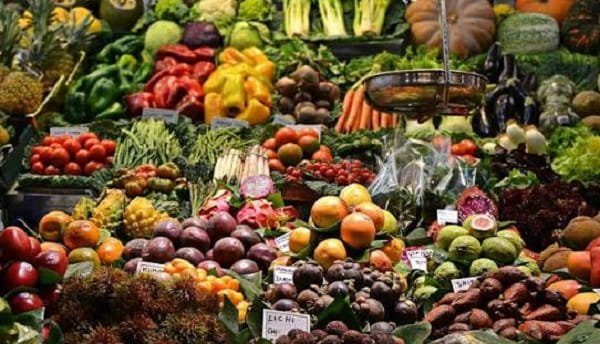
The Indian Fruit Market Structure
India’s fruit market operates primarily through the Agricultural Produce Market Committee mandi system — where farmers bring produce for auction to commission agents who sell to wholesalers who sell to retailers through a chain of intermediaries that each extract margin. This traditional supply chain creates opportunities for businesses that can bypass intermediary layers, reduce post-harvest losses, and deliver fresher produce at more competitive prices to end consumers. The organised retail sector — modern supermarkets, e-commerce grocery platforms, and quick commerce services — has created alternative fruit distribution channels that premium and graded fruit producers increasingly prefer for their superior price discovery and payment reliability compared to mandi trading.
Fruit Business Key Financial Parameters
| Parameter | Street Vendor / Cart | Retail Fruit Shop | Wholesale Trading | Organised Retail Supply |
| Capital investment | ₹20,000–80,000 | ₹1 lakh–5 lakh | ₹5 lakh–30 lakh | ₹3 lakh–20 lakh |
| Daily procurement cost | ₹1,000–5,000 | ₹5,000–25,000 | ₹30,000–2 lakh | ₹10,000–1 lakh |
| Daily sales revenue | ₹1,500–8,000 | ₹8,000–40,000 | ₹35,000–2.5 lakh | ₹15,000–1.5 lakh |
| Gross margin | 25–45% | 25–40% | 8–15% | 20–35% |
| Daily wastage percentage | 8–15% | 5–12% | 3–8% | 3–6% |
| Cold storage requirement | None — daily procurement | Recommended | Essential | Essential |
| Monthly net income | ₹8,000–25,000 | ₹20,000–80,000 | ₹40,000–2.5 lakh | ₹30,000–1.5 lakh |
| APMC licence requirement | Not typically | State specific | Yes — mandi licence | Not typically |
| Break-even period | 1–3 months | 3–9 months | 2–6 months | 3–12 months |
| Seasonal demand variation | High — mango season peak | High | High | Moderate |
| FSSAI registration | Recommended | Required | Required | Required |
Profitability Drivers and Market Opportunities
Direct Farm Sourcing: The fruit business’s strongest margin improvement lever is eliminating mandi commission layers through direct procurement from farmers — particularly for high-volume fruits in proximate growing regions. A fruit retailer in Pune sourcing grapes directly from Nashik grape farmers at ₹40-60 per kg versus ₹70-90 per kg through mandi channels captures 30-50% better procurement economics that translate directly into superior margins. Building direct sourcing relationships requires initial travel, farmer trust-building, and advance payment capability but creates sustainable competitive advantages that market-dependent competitors cannot match.
Premium and Exotic Fruit Retail: Premium fruit retail — imported apples, strawberries, blueberries, dragon fruit, avocados, kiwis, and exotic tropical varieties — serves India’s growing affluent urban consumer segment with products commanding retail prices of ₹200-1,500 per kg and gross margins of 35-55%. Premium fruit customers demonstrate strong loyalty to trusted retailers who consistently deliver quality and freshness, and their spending per visit significantly exceeds commodity fruit buyer levels.
Fruit Processing and Value Addition: Converting fresh fruit into juices, jams, dried fruits, pulps, and frozen fruit preparations transforms perishable low-margin raw material into shelf-stable products with margins of 45-65%. Processing surplus and near-end-shelf-life fruit that would otherwise generate waste converts a cost into revenue — improving overall business economics while reducing the wastage losses that erode fresh fruit business profitability. Small-scale fruit processing under FSSAI licensing for local and regional distribution represents an accessible value-addition entry point for existing fruit traders.
Organised Retail and Quick Commerce Supply: Supplying graded, sorted, and packaged fruit to supermarket chains and quick commerce platforms provides premium price realisation compared to mandi trading while eliminating the daily price uncertainty of auction-based selling. Modern retail buyers require consistent grading standards, reliable supply commitments, and proper food safety documentation — creating entry barriers that protect suppliers who invest in grading infrastructure and FSSAI compliance from commodity trading competition.
Managing Perishability — The Business-Critical Challenge
Fruit’s perishability is the most significant operational challenge distinguishing fruit business management from most other retail categories. Daily unsold inventory becomes worthless or severely discounted within 24-72 hours depending on the variety — creating the constant tension between adequate stock for customer satisfaction and minimal wastage. Successful fruit businesses manage this tension through daily demand forecasting based on historical sales data, weather-adjusted purchasing, dynamic pricing that promotes near-expiry stock at discounts rather than discarding it, and relationships with juice vendors and processing units that purchase below-grade or near-expiry fruit at reduced prices rather than generating complete losses.
Fruit Business vs Competing Perishable Food Businesses
| Parameter | Fruit Business | Vegetable Business | Dairy Retail | Meat Retail |
| Daily demand consistency | High | Very high | Very high | High |
| Perishability challenge | High | Very high | Very high | Extreme |
| Gross margin | 25–55% | 20–45% | 12–25% | 20–35% |
| Cold storage requirement | Recommended | Recommended | Essential | Essential |
| Seasonal variation | Very high | High | Low | Low |
| Premium segment potential | Very high — exotic fruits | Moderate | High — A2, organic | Moderate |
| Value addition potential | High — juices, jams | Moderate | Very high | Moderate |
| Net profit margin | 12–40% | 10–35% | 8–20% | 12–25% |
Fruit business is profitable in India for operators who develop direct farm sourcing for margin advantages, build premium and exotic fruit retail positioning for superior pricing, manage perishability rigorously through daily demand planning and dynamic pricing, and progressively develop value-addition capabilities that convert perishable risk into shelf-stable product opportunity.