


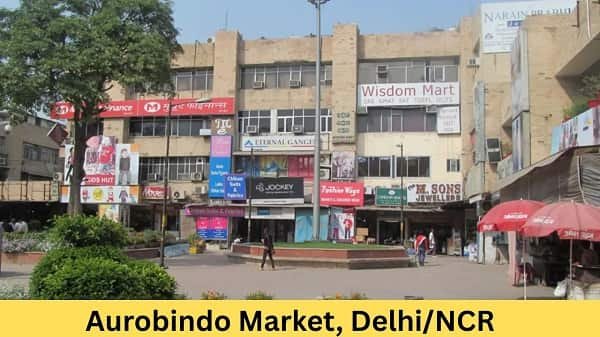
Aurobindo Market is a neighbourhood favourite in the Delhi–Gurgaon region — a practical, everyday street market that caters to residents, commuters, and families alike. Unlike large, glitzy malls, Aurobindo Market thrives on convenience, local services, affordable shopping, and a relaxed vibe that suits daily errands as much as evening strolls.
This market tends to serve nearby residential pockets and office lanes, making it a rhythm of local life rather than a destination for tourists. Daytime sees regular shopping and utilities; evenings bring out food stalls, quick bites, and footfall that spills onto the street. It’s a market that runs on familiarity, convenience, and community trust.
Aurobindo Market, Quick Details
| Detail | Information |
| Location | Aurobindo Market (Delhi–Gurgaon vicinity) |
| Market Type | Local high-street & residential hub |
| Famous For | Clothing, groceries, street food, services |
| Nearest Metro | Nearest metro (varies – usually local line nearby) |
| Best Time | 4:30 PM – 9:00 PM |
| Closed On | Mostly open all days (some shops close Mondays) |
Aurobindo Market History
Aurobindo Market emerged organically as the residential belts around it developed. As colonies, apartments, and office complexes grew, the need for a quick-access shopping area became obvious. What might have started as a handful of kirana shops and roadside vendors soon expanded into a full-service market over the last few decades.
Unlike heritage markets like Chandni Chowk or planned centres like Sector 17 (Chandigarh), Aurobindo Market isn’t tied to historic trade patterns or civic design. Instead, it has grown with the neighbourhood — shops expanding, service outlets filling voids, and food counters finding loyal evening crowds.
Today, it remains a hub for daily needs and regular errands in its part of the city.
Aurobindo Market Shops (What to Buy & See)
Aurobindo Market covers a broad mix without overwhelming choice.
- Clothing & Footwear: Casual wear, ethnic outfits, children’s clothes, and budget fashion dominate the clothing shops. Footwear outlets sell everyday sandals, shoes, and seasonal styles.
- Groceries & Essentials: Vegetables, fruits, dairy, groceries, and bakery counters cover daily shopping needs. Most residents prefer this market for weekly top-ups.
- Street Food & Eateries: Food vendors and quick eateries line the main stretch — chai, chaat, rolls, momos, and North Indian staples are popular with local crowds.
- Electronics & Repairs: Mobile accessory shops, repair counters, and small electronics stalls handle everyday tech needs.
- Services: Tailors, salons, hardware shops, medical stores, and travel agents make the market feel complete and self-sufficient.
This is practical shopping — efficient, accessible, and familiar.
Food & Street Life
Food here isn’t a destination, but it’s reliable and crowd-pleasing.
- Evening Snacks: Vada pav, pav bhaji, chole bhature, sandwiches, and momos bring out families and youth after work.
- Tea & Beverages: Chai and cold-drink stalls keep the footfall going through late afternoon and evenings.
- Desserts: Ice cream and sweet counters round out the casual food experience.
It’s functional food — priced reasonably and served fast.
Transport & Connectivity
Aurobindo Market is easy to reach via local transport options.
- Metro & Rapid Transit:Depending on which part of the Delhi–Gurgaon region the market is in, the nearest metro line will be a short auto or e-rickshaw ride away.
- Bus & Shared Autos: City buses and shared autos stop frequently near the main stretch, connecting surrounding residential and commercial areas.
- Parking: Parking inside or alongside the market grows tight in the evenings. Two-wheelers and autos are the easiest way to reach.
- Walkability: The market is designed for foot traffic — short distances and nearby residential access make walking common.
Nearby Places to Explore
Since Aurobindo Market sits in a populated neighbourhood:
- Local parks & green spaces – evening walks
- Residential complexes – community walks and eateries
- Nearby malls or plazas – for bigger shopping needs
- Cafés & salons – local hangouts
(The exact nearby places vary slightly depending on whether this is in South Delhi, Gurgaon, or the greater NCR area.)
Best Time to Visit
Late afternoons and evenings (4:30 PM – 9:00 PM) are lively and convenient. Weekday mornings are calmer and ideal for errands. Weekends see a steady local crowd but remain manageable.
Who Should Visit
- Residents and families
- Daily errand shoppers
- Street-food and quick-service seekers
- People who prefer local, convenient markets over big malls
This market rewards routine, familiarity, and efficiency.
Conclusion
Aurobindo Market is not built for headlines or tourist guides. It’s built for everyday life — needs, errands, quick food, and dependable shopping.
In a sprawling city like Delhi–Gurgaon, markets like Aurobindo matter because they simplify daily life. Practical, steady, and community-rooted, this market is exactly what its neighbourhood expects it to be.