



South Korea offers advanced dental treatment and surgical care, but insurance does not cover every procedure. The main difference is whether treatment is needed for your health or intended only to improve appearance. Eligible residents may receive benefits through Korea’s National Health Insurance, while Indian visitors generally depend on their own travel or private policies.
Dental benefits also have age and treatment limits. Understanding these rules before an appointment can help you ask better questions and avoid unexpected medical expenses.
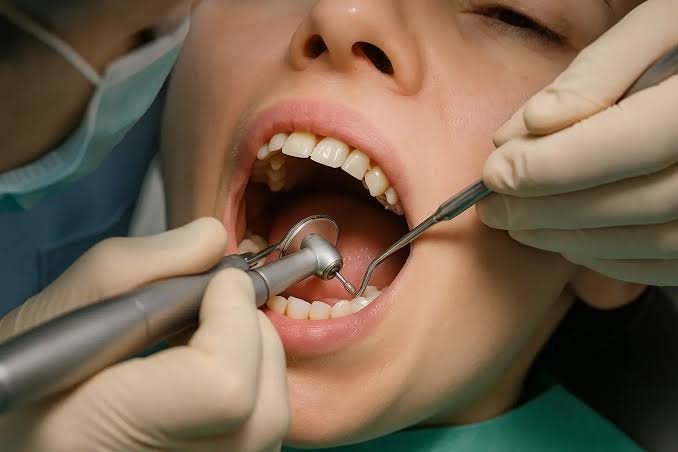
Medically Necessary Dental Treatments
Korean national insurance may cover dental care needed to treat disease, pain or injury. Cosmetic improvements usually fall outside these benefits.
- Covered care: Treatment for diagnosed oral health problems may qualify.
- Indian policies: A medical policy for family members bought in India may not cover planned treatment overseas.
Dental Scaling and Preventive Care
Under Korean national insurance, dental scaling may be covered once each calendar year for people aged 19 and above. Other preventive services follow different rules, so you should confirm eligibility before your appointment.
- Scaling: Removes hardened plaque that can damage gums.
- Routine checks: Ask which examinations are covered before booking.
Dental Implants and Dentures for Eligible Patients
Under Korean national insurance, eligible people aged 65 and above may receive dental implant or denture benefits. Implant coverage is limited to two qualifying teeth over a lifetime.
- Implants: The dentist must confirm that the case qualifies.
- Dentures: Full or partial dentures may qualify under specific conditions.
Tooth Extractions and Root Canal Treatments
When a tooth is infected or badly damaged, necessary treatment may qualify for national health benefits. Charges depend on the procedure.
- Extractions: Clinically needed removal may be covered.
- Root canals: Treatment for infection may qualify, but some materials or restorations cost extra.
Reconstructive Surgery After Accidents
Surgery to repair damage caused by an accident differs from an appearance-only procedure. Medical records help establish the need for treatment. If you have cashless medical insurance from India, confirm direct billing with the Korean hospital before treatment.
- Tissue repair: Surgery may restore damaged skin or soft tissue.
- Documentation: Keep accident reports, scans and the surgeon’s notes.
Corrective Surgery for Congenital Conditions
Some conditions present from birth and affect eating, speech or normal development. Insurance may support medically necessary correction when eligibility rules are met. Registration may be required before certain specialist treatments begin.
- Cleft conditions: Qualifying cleft-related treatment can receive national benefits.
- Records: Keep diagnostic reports and specialist recommendations ready for insurance review.
Medically Necessary Eyelid and Facial Surgery
An eyelid operation may be covered when drooping lids obstruct vision or a medical condition affects their movement. Doctors may record visual obstruction through examination and photographs.
- Functional surgery: Treatment aims to restore normal eyelid movement.
- Cosmetic changes: Double-eyelid surgery for appearance alone is generally excluded.
Treatment for Facial Injuries and Deformities
Facial injuries sometimes require surgery to restore function, not merely appearance. Doctors assess the underlying damage and proposed procedure. Later scar revision solely for appearance may not qualify for the same benefits.
- Fractures: Repair may be necessary to restore normal alignment.
- Aftercare: Follow-up treatment is assessed under applicable coverage rules.
Jaw Surgery for Functional Medical Problems
Jaw surgery may qualify when it treats a documented medical problem. Jaw reshaping done only for appearance is generally excluded. Complex cases may require assessment by a jaw specialist.
- Function: Doctors assess serious chewing or speaking difficulties.
- Evidence: Imaging and specialist reports support medical necessity.
Hospitalisation and Surgery-Related Medical Expenses
For covered operations, eligible hospital charges may include necessary tests, surgery and inpatient care. Patients still face co-payments or excluded costs. Ask whether anaesthesia and medicines are included.
- Before admission: Request an estimate separating covered and uncovered services.
- Private cover: Check overseas exclusions, approvals and claim paperwork.
Conclusion
In South Korea, insurance generally favours treatment that restores health or essential function rather than appearance alone. Dental scaling, selected dental procedures and certain corrective operations can qualify, but eligibility and patient charges vary. Indian travellers should not assume Korean national benefits apply to them. Before arranging treatment, check your insurance documents, ask the hospital for a written cost breakdown and confirm which procedures your insurer will actually pay for.