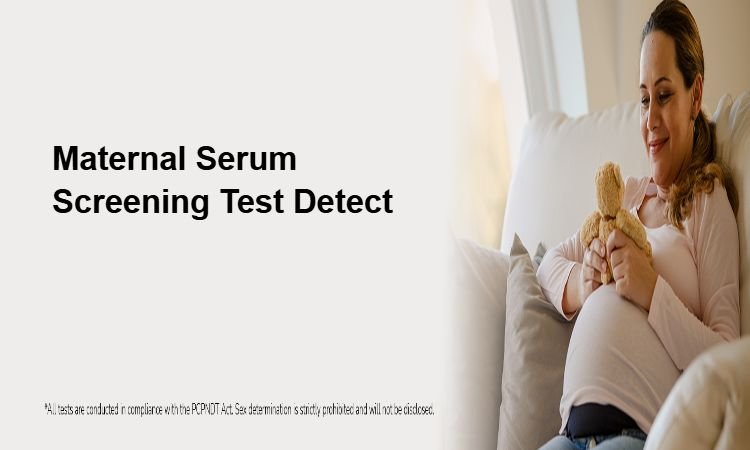




Pregnancy is one of the most important phases in a family’s life, but it can also involve significant medical expenses. Hospital visits, doctor consultations, diagnostic tests, delivery charges, and post-natal care can add up quickly. Because of these costs, many couples consider health insurance as a way to manage maternity expenses.
However, pregnancy coverage in health insurance is not always automatic. Many standard health insurance policies do not include maternity benefits unless the policy specifically offers them. Even when pregnancy coverage is available, there are certain conditions such as waiting periods and coverage limits that policyholders must understand.
Knowing how maternity coverage works can help individuals choose the right insurance plan and plan their finances more effectively.

Is Pregnancy Covered by Health Insurance?
Yes, pregnancy expenses can be covered by health insurance, but only if the policy includes maternity benefits.
Many basic health insurance plans do not cover pregnancy-related costs because pregnancy is considered a planned medical event rather than an unexpected illness. As a result, insurers usually offer maternity coverage as an additional benefit or as part of specialized health plans.
Policies that include maternity coverage may help pay for several pregnancy-related medical expenses.
What Pregnancy Expenses Are Usually Covered?
Health insurance plans that provide maternity benefits generally cover a range of pregnancy-related services.
1. Delivery expenses
Insurance policies usually cover the cost of childbirth, including both normal delivery and cesarean section (C-section). This often includes hospital room charges, doctor fees, and nursing care.
2. Pre-natal care
Many maternity policies cover medical expenses that occur during pregnancy, such as doctor consultations, ultrasound scans, blood tests, and routine checkups.
3. Post-natal care
Medical care after childbirth may also be included in some plans. This can involve follow-up consultations, medication, and monitoring of the mother’s recovery.
4. Newborn baby coverage
Certain health insurance policies extend coverage to the newborn baby for a limited period, often up to 90 days after birth. This can include medical treatments required immediately after delivery.
Maternity Waiting Period in Health Insurance
One of the most important aspects of pregnancy coverage is the maternity waiting period.
Most health insurance policies require policyholders to wait for a specific period before they can claim maternity benefits. This waiting period usually ranges from 9 months to 4 years, depending on the insurance provider.
This means that if a person purchases a health insurance policy today and becomes pregnant during the waiting period, the pregnancy expenses may not be covered.
Because of this rule, financial planners often recommend purchasing maternity coverage well before planning a pregnancy.
Coverage Limits for Pregnancy
Even when maternity benefits are included in a health insurance plan, there are usually limits on how much the insurer will pay.
For example, a policy might provide:
- ₹30,000 to ₹50,000 coverage for normal delivery
- ₹50,000 to ₹1,00,000 coverage for cesarean delivery
If the hospital expenses exceed the coverage limit, the remaining amount must be paid by the policyholder.
These limits vary widely among insurance companies and policy types.
Group Health Insurance and Pregnancy Coverage
Employer-provided group health insurance plans often include maternity benefits with shorter waiting periods or sometimes no waiting period at all.
Many companies offer maternity coverage as part of employee health benefits. These policies may also provide coverage for newborn babies and related medical treatments.
However, coverage under employer plans depends on the organization’s insurance policy and may stop if the employee leaves the job.
Situations When Pregnancy Is Not Covered
There are certain situations where health insurance may not cover pregnancy expenses.
1. During the waiting period
If the pregnancy occurs before the waiting period is completed, the insurer may reject the claim.
2. Policies without maternity benefits
Some basic health insurance plans do not include maternity coverage at all. In such cases, pregnancy-related expenses must be paid out of pocket.
3. Exceeding policy limits
If the hospital bill exceeds the maternity coverage limit specified in the policy, the insurer will only pay up to the approved amount.
Benefits of Having Maternity Coverage
Maternity health insurance can provide several financial and medical benefits.
1. Reduced financial stress
Pregnancy-related medical costs can be high, especially in private hospitals. Insurance coverage helps reduce out-of-pocket expenses.
2. Access to quality healthcare
With insurance support, families can choose better hospitals and medical facilities without worrying about the full cost.
3. Protection for newborns
Some policies provide medical coverage for newborn babies, offering financial protection during the early days after birth.
Things to Check Before Buying Maternity Insurance
Before purchasing a health insurance policy that includes pregnancy coverage, it is important to review several factors.
Policyholders should check:
- The maternity waiting period
- Coverage limits for delivery expenses
- Whether pre- and post-natal care is included
- Newborn baby coverage details
- Network hospitals for maternity services
Understanding these details helps avoid confusion during the claim process.
Conclusion
Health insurance can cover pregnancy expenses, but only if the policy includes maternity benefits. These benefits may cover delivery charges, prenatal care, postnatal treatment, and sometimes newborn baby care. However, maternity coverage usually comes with waiting periods and specific limits on claim amounts.
For couples planning to start a family, purchasing a health insurance policy with maternity benefits well in advance can be a wise financial decision. Proper planning ensures access to quality healthcare while reducing the financial burden associated with pregnancy and childbirth.