




The moment you see those two lines on a pregnancy test, everything changes. That first rush of joy is usually followed by a quiet, persistent need to know that everything is progressing exactly as it should. In modern prenatal care, doctors typically offer two main paths for early screening: the traditional Double Marker test and the more advanced NIPT Test In Pregnancy.
How Each Test Views Your Pregnancy
To think through the differences, it helps to understand what each test is “looking” for. The Double Marker test is a biochemical screen. It measures two specific proteins in the mother’s blood, PAPP-A and free beta-hCG, and combines those levels with the mother’s age and an ultrasound scan (nuchal translucency) to calculate a risk score. It’s essentially a mathematical probability game.
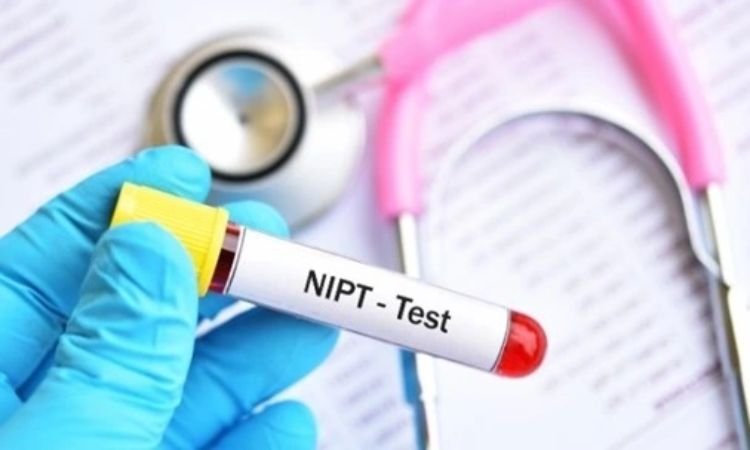
NIPT, or Non-Invasive Prenatal Testing, takes a completely different approach. Instead of looking at proteins, it looks at actual DNA. Tiny fragments of fetal DNA originating from the placenta circulate in the mother’s bloodstream. NIPT isolates these fragments to directly analyse the baby’s genetic material.
The Accuracy Gap
The biggest point of discussion for most parents is accuracy. While both tests are excellent at what they do, the statistical performance varies significantly:
- Double Marker Test: When combined with an ultrasound, this test typically has a detection rate of about 90% to 95% for Down syndrome. However, it also has a “false positive” rate of around 5%. This means 5 out of every 100 women will be told their baby is at high risk, even when the baby is perfectly healthy.
- NIPT: Because it analyses DNA directly, NIPT is much more precise. It has a detection rate of over 99% for Down syndrome, and its false-positive rate is incredibly low—usually less than 1%.
A mild digression: For many families, the low false-positive rate of NIPT is the deciding factor. There is a specific kind of anxiety that comes with a “high risk” result on a traditional screen, often leading to weeks of stress and unnecessary invasive procedures like amniocentesis. NIPT significantly reduces the chances of that happening.
Timing and Practicalities
Both tests can be done early in the first trimester, but NIPT offers a slightly wider window. You can usually opt for the screening as early as the 10th week. The Double Marker is typically performed between weeks 11 and 13 to align with the required nuchal translucency ultrasound.
At Medgenome, we’ve seen that many Indian families are increasingly leaning toward NIPT because it provides a more definitive “low risk” result. Since Medgenome operates some of the most advanced genomic labs in South Asia, the turnaround time is often faster than older methods, and the results are validated specifically for the Indian population.
Which One Should You Choose?
The “right” choice often comes down to your personal approach to pregnancy and your specific risk factors:
- Standard Screening: If you are looking for a cost-effective, routine check and your doctor feels your risk is low, the Double Marker is a reliable, time-tested option.
- Advanced Reassurance: If you are over 35, have a family history of genetic conditions, or simply want the highest level of reassurance available today, NIPT is the gold standard.
It is important to remember that both of these are screening tests, not diagnostic ones. They tell you the likelihood of a condition, not an absolute “yes” or “no”. If a result ever comes back as high-risk, the next step is always a detailed conversation with a genetic counsellor and your doctor.
The Medgenome Advantage
Choosing where you get your testing done is just as important as which test you choose. Medgenome’s NIPT platform, Claria, uses Next Generation Sequencing (NGS) to provide an incredibly deep look at the fetal genome. Because the testing is done in-house in India, there is less risk of sample degradation during transport, and the data is interpreted by experts who understand the nuances of our local genetics.