



India’s pharmaceutical and healthcare ecosystem is one of the most complex regulatory environments in the world — home to the world’s largest generic drug manufacturing industry, thousands of hospitals and diagnostic centres, a rapidly growing clinical research sector, and regulatory agencies whose oversight requirements create enormous and non-discretionary demand for analytical testing services. Drug testing businesses — providing laboratory analysis services for pharmaceutical companies, hospitals, research organisations, and regulatory compliance purposes — operate in a market where demand is driven by law, science, and public safety rather than discretionary spending, creating a uniquely stable and growing business environment. Whether a drug testing business is profitable in India in 2026 requires understanding the specific segment being entered, the regulatory requirements for operation, and the capital intensity that analytical laboratory establishment demands.
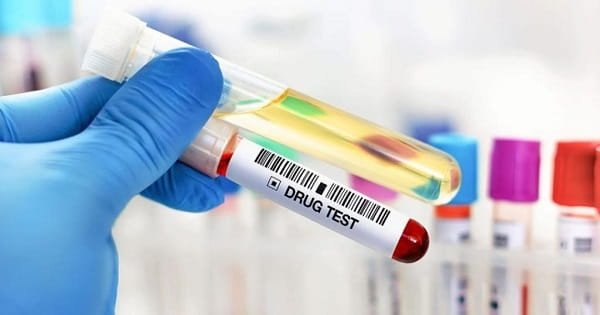
Drug Testing Business Segments
The term drug testing encompasses several distinct business activities with different markets, regulatory frameworks, and profitability profiles. Pharmaceutical quality control testing — analysing drug formulations for potency, purity, dissolution, and contamination — serves pharmaceutical manufacturers who require third-party testing for regulatory submissions and batch release. Clinical research testing — analysing biological samples from clinical trial participants — serves pharmaceutical companies and CROs conducting drug development studies. Workplace drug testing — screening employees for substance abuse — serves corporate clients with workplace safety policies. Hospital pharmacy testing — verifying drug identity and concentration in clinical settings — serves healthcare institutions. Each segment requires different equipment, expertise, regulatory accreditations, and client relationship strategies.
Drug Testing Business Key Financial Parameters
| Parameter | Pharma QC Lab | Clinical Research Lab | Workplace Drug Testing | Hospital Pharma Testing |
| Capital investment | ₹50 lakh–5 crore | ₹1 crore–10 crore | ₹10 lakh–50 lakh | ₹20 lakh–2 crore |
| Key equipment | HPLC, GC, spectrophotometers, dissolution apparatus | LC-MS/MS, immunoassay analysers, centrifuges | Immunoassay screening kits, confirmatory GC-MS | HPLC, UV-Vis spectrophotometers |
| Regulatory accreditation required | NABL, Schedule M GLP compliance | NABL, CDSCO registration, GCP compliance | NABL preferred | NABL accreditation |
| Per sample testing revenue | ₹500–50,000 depending on complexity | ₹1,000–25,000 per sample | ₹300–1,500 per test | ₹500–10,000 |
| Monthly sample capacity | 500–3,000 | 200–2,000 | 1,000–10,000 | 300–2,000 |
| Monthly revenue potential | ₹5 lakh–50 lakh | ₹8 lakh–80 lakh | ₹3 lakh–15 lakh | ₹4 lakh–30 lakh |
| Scientist salary per month | ₹25,000–80,000 | ₹35,000–1.5 lakh | ₹20,000–60,000 | ₹25,000–80,000 |
| Gross profit margin | 45–65% | 50–70% | 55–70% | 45–60% |
| Net profit margin | 20–40% | 25–45% | 25–40% | 20–38% |
| Break-even period | 3–6 years | 3–7 years | 1–3 years | 2–4 years |
Profitability Drivers and Market Advantages
Regulatory Demand Permanence: Drug testing laboratory services are among the most regulation-driven businesses in India’s entire economy — pharmaceutical companies cannot release batches, submit drug approvals, or export products without testing certificates from accredited laboratories. This regulatory mandate creates demand that is entirely non-discretionary, recession-resistant, and growing with India’s expanding pharmaceutical manufacturing base. India’s pharmaceutical industry — valued at over ₹3 lakh crore domestically with enormous export volumes — generates testing demand that grows proportionally with pharmaceutical production expansion.
Export Compliance Testing Surge: India’s pharmaceutical export to regulated markets — US FDA, European EMA, UK MHRA, and other stringent regulatory authorities — requires testing compliance to increasingly stringent standards that domestic manufacturers must demonstrate through comprehensive analytical data. Third-party testing laboratories with GLP compliance, NABL accreditation, and experience with international regulatory submission formats command premium pricing from export-oriented pharmaceutical clients who cannot risk regulatory rejection of their products due to inadequate testing support.
Clinical Research Growth Opportunity: India’s clinical research industry has grown substantially as global pharmaceutical companies conduct Phase II, III, and IV clinical trials in India for both cost and patient population diversity advantages. Clinical research testing — analysing biological samples for pharmacokinetic studies, safety biomarkers, and efficacy endpoints — requires highly specialised bioanalytical laboratories with LC-MS/MS capability and rigorous chain of custody documentation. This segment offers the highest revenue per sample and the strongest long-term growth trajectory of any drug testing segment.
Workplace Drug Testing Expansion: Corporate drug testing policies — particularly in aviation, transportation, construction, and defence contractor industries — have expanded significantly as regulatory mandates and safety culture awareness grow. DGCA mandates drug testing for aviation professionals, Ministry of Road Transport guidelines encourage testing in transportation companies, and large corporate clients in safety-critical industries increasingly implement pre-employment and periodic drug screening programmes. The per-test economics of workplace drug testing with immunoassay screening are modest individually but the volume potential from corporate contract relationships creates significant aggregate revenue.
Regulatory Requirements — Non-Negotiable Foundations
NABL accreditation — National Accreditation Board for Testing and Calibration Laboratories — is the foundational quality certification required for drug testing laboratories to serve pharmaceutical clients with regulatory submissions. NABL accreditation requires documented quality management systems, equipment calibration records, method validation data, proficiency testing participation, and periodic NABL assessment visits. The process of achieving initial NABL accreditation typically requires 12-24 months from laboratory establishment — representing a significant time investment before full commercial operation becomes possible.
For pharmaceutical QC testing, compliance with Schedule M Good Laboratory Practice requirements under the Drugs and Cosmetics Rules is mandatory. For clinical research testing, CDSCO registration and Good Clinical Practice compliance are additionally required. These regulatory requirements represent genuine barriers to entry that protect established, accredited laboratories from easy competition by underqualified entrants — benefiting compliant operators through reduced price competition from non-compliant alternatives.
Challenges Requiring Serious Consideration
The drug testing business requires highly qualified scientific staff — analytical chemists, pharmacists, and microbiologists with specialised training in pharmaceutical analysis — whose salaries represent a major fixed cost that continues during periods of sample volume fluctuation. Recruiting and retaining qualified scientists in a market where pharmaceutical companies, CROs, and other laboratories compete for the same talent pool requires competitive compensation and genuine professional development investment.
Equipment maintenance and calibration represent ongoing capital requirements — analytical instruments require regular professional servicing, calibration with certified reference standards, and periodic qualification validation that cannot be deferred without NABL compliance risk.
Drug Testing Business vs Competing Healthcare Service Businesses
| Parameter | Drug Testing Lab | Diagnostic Lab (Medical) | Food Testing Lab | Environmental Testing Lab |
| Capital requirement | Very high | High | High | High |
| Regulatory demand driver | Pharmaceutical regulation | Medical necessity | FSSAI regulation | Pollution regulation |
| Revenue per test | Moderate to very high | Low to moderate | Moderate to high | Moderate to high |
| Market growth rate | High — pharma expansion | High — healthcare | High — food safety | Moderate |
| Technical staff requirement | Very high | High | High | High |
| NABL requirement | Strongly required | Required | Required | Required |
| Net profit margin | 20–45% | 15–35% | 20–38% | 18–35% |
| Break-even period | 3–7 years | 2–5 years | 3–6 years | 3–6 years |
Drug testing is a genuinely profitable business in India for investors who commit the substantial capital required for proper equipment and facility establishment, invest the 12-24 months required to achieve NABL accreditation before full commercial operation, build expertise in specific high-value segments like pharmaceutical QC or bioanalytical clinical research testing, and develop client relationships with pharmaceutical manufacturers and CROs who require reliable, accredited testing partnerships.