




India’s furniture market is one of the most significant and rapidly evolving consumer goods sectors in the country — driven by an extraordinary convergence of rising homeownership rates, a booming real estate market delivering millions of new apartments annually, growing aspirations for aesthetically designed living spaces among India’s urban middle class, and the rapid expansion of organised retail and e-commerce channels that have transformed how Indians discover, evaluate, and purchase furniture. Whether a furniture business is profitable in India in 2026 requires understanding a market that spans everything from commodity wooden furniture manufactured in small workshops to premium designer pieces that compete with international brands — and identifying which segment offers sustainable margins, competitive positioning, and realistic entry opportunities for different capital levels.
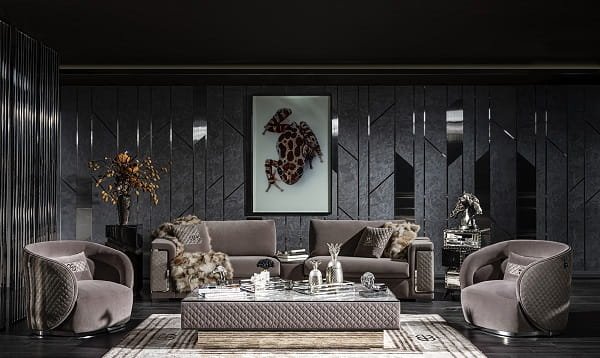
India’s Furniture Market Landscape
India’s furniture market is valued at hundreds of thousands of crores and growing consistently — driven by residential construction activity, commercial office fit-outs, hospitality sector expansion, and the cultural shift toward home improvement spending that has made interior design a mainstream middle-class priority rather than an elite luxury. The market remains predominantly unorganised — thousands of small carpenters, workshops, and local furniture manufacturers serve local markets with custom-made pieces — but organised players including Godrej Interio, IKEA, HomeTown, Pepperfry, and Urban Ladder have progressively captured urban consumer mindshare through product consistency, design quality, and convenient purchasing experiences that traditional carpenter relationships cannot match.
The furniture business spans manufacturing, retail, and design services — each requiring different skills, capital, and competitive strategies. E-commerce has fundamentally disrupted furniture retail — platforms like Pepperfry, Amazon, and Flipkart deliver assembled or flat-pack furniture to customers’ doorsteps, creating both competitive challenges for physical retailers and new distribution opportunities for manufacturers who previously sold only locally.
Furniture Business Key Financial Parameters
| Parameter | Small Workshop / Custom | Organised Retail Shop | Online Furniture Brand | B2B Commercial Supply |
| Capital investment | ₹2 lakh–15 lakh | ₹15 lakh–80 lakh | ₹5 lakh–30 lakh | ₹10 lakh–50 lakh |
| Raw material cost percentage | 35–50% | 45–60% (procurement) | 40–55% | 35–50% |
| Selling price — sofa set | ₹15,000–80,000 | ₹20,000–1.5 lakh | ₹18,000–1.2 lakh | ₹12,000–60,000 bulk |
| Selling price — wardrobe | ₹12,000–60,000 | ₹18,000–1.2 lakh | ₹15,000–90,000 | ₹10,000–50,000 |
| Gross profit margin | 40–60% | 35–55% | 38–58% | 30–50% |
| Monthly revenue potential | ₹1.5 lakh–10 lakh | ₹5 lakh–30 lakh | ₹3 lakh–25 lakh | ₹5 lakh–40 lakh |
| Return rate — online | Not applicable | 2–5% | 8–18% | 1–3% |
| Net profit margin — established | 18–35% | 15–28% | 15–30% | 15–28% |
| Real estate project supply potential | Limited | Moderate | Moderate | Very high |
| Break-even period | 1–3 years | 2–4 years | 1–3 years | 1–3 years |
| GST rate on furniture | 18% | 18% | 18% | 18% |
Profitability Drivers and Strategic Opportunities
Real Estate Developer Supply Contracts: India’s massive residential construction activity creates enormous demand for furniture supply to new apartment projects — developers increasingly offer semi-furnished or fully-furnished units to attract buyers, requiring large-volume furniture procurement for hundreds or thousands of apartments simultaneously. A single real estate project contract for 500 apartments requiring ₹50,000 worth of furniture per apartment generates ₹2.5 crore in furniture procurement — providing manufacturing and supply businesses with volume commitments that transform capacity utilisation and cash flow predictability. Building relationships with real estate project procurement managers and interior design firms that specify furniture for developer projects creates the highest-volume B2B revenue channel available.
Modular and Ready-to-Assemble Advantage: Modular furniture — factory-manufactured components assembled at the installation site — has gained dominant market position in urban India for kitchens, wardrobes, and study units because it delivers consistent quality, faster installation, and modern aesthetics that site-built carpentry cannot match economically. Businesses that develop modular furniture manufacturing capabilities with precision CNC cutting, standardised hardware, and professional installation services access a growing market where consumers actively prefer modular over traditional carpenter work. Margins on modular furniture of 40-55% reflect genuine value creation rather than commodity supply.
Online Direct-to-Consumer Brand Building: E-commerce furniture brands that develop distinctive design identities — Scandinavian minimalism, Indian contemporary, industrial loft — attract urban consumers who actively research furniture online and are willing to pay premiums for brands that speak their aesthetic language consistently. Building a Pepperfry or Amazon presence alongside an owned website with professional product photography and room visualisation tools creates distribution access without the physical retail rental costs that limit traditional furniture retail margins. Instagram and Pinterest content marketing — showcasing furniture in styled room settings — generates organic discovery from design-interested consumers at minimal cost.
Hospitality and Commercial Fit-Out Specialisation: Hotels, restaurants, co-working spaces, and corporate offices require furniture procurement in volumes and to quality standards that consumer retail channels rarely serve effectively. Specialising in hospitality furniture supply — developing commercial-grade durability specifications, fire-safety-compliant materials, and the project management capability to coordinate multi-floor fit-outs — commands premium pricing of 20-30% above equivalent consumer furniture while providing volume contracts with professional procurement buyers who prioritise reliability and quality over lowest possible price.
Raw Material and Supply Chain Management
Wood, engineered wood products like MDF and plywood, metal components, fabric upholstery, and hardware collectively determine furniture cost and quality. India’s raw material supply chain for furniture has improved significantly — Malaysian and Myanmar timber imports, domestic plantation timber, and the organised plywood and MDF industry provide increasingly consistent inputs. However, raw material price volatility — particularly for timber and imported hardware — creates margin pressure that businesses must manage through forward purchasing, supplier relationship development, and specification flexibility that allows material substitution when specific inputs become expensive.
Furniture Business vs Alternative Home Furnishing Businesses
| Parameter | Furniture | Mattress Business | Home Décor | Modular Kitchen |
| Average ticket size | High — ₹10,000–2 lakh | Moderate — ₹5,000–50,000 | Low to moderate | Very high — ₹1 lakh+ |
| Repeat purchase frequency | Low — every 5–10 years | Low — every 7–10 years | Moderate | Very low |
| Installation requirement | Often required | Simple | None typically | Yes — professional |
| Return rate risk | Moderate | Low | Low | Very low |
| Gross margin | 35–60% | 40–60% | 45–70% | 45–65% |
| E-commerce suitability | Good — large items challenging | Very good | Excellent | Limited |
| Net profit margin | 15–35% | 20–40% | 25–50% | 22–45% |
| Real estate tie-up potential | Very high | Moderate | Moderate | Very high |
Furniture business is genuinely profitable in India for entrepreneurs who develop modular manufacturing capabilities, build real estate developer and commercial client relationships for volume revenue, establish distinctive online brand identities for premium consumer positioning, and manage raw material procurement intelligently to protect margins through commodity price cycles.