




The egg business occupies a uniquely robust position in India’s agricultural and food industry — eggs represent one of the most universally consumed, nutritionally dense, and price-accessible protein sources available to India’s population of 1.4 billion. From the small village roadside vendor who boils eggs for labourers’ breakfast to the large integrated poultry operation supplying millions of eggs daily to urban markets, the egg business spans an enormous range of scale, format, and sophistication. Whether the egg business is profitable in India in 2026 requires distinguishing between the three primary entry points — poultry farming for egg production, egg trading and distribution, and value-added egg products — each with fundamentally different capital requirements, operating economics, and risk profiles.
The Indian Egg Market Landscape
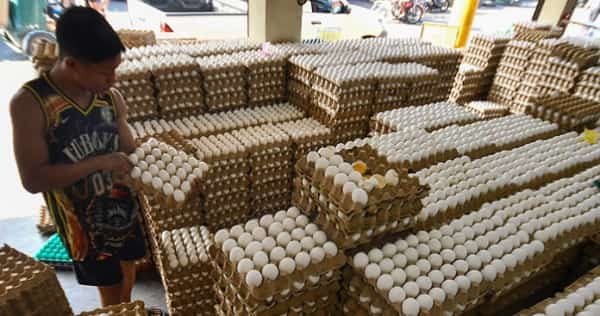
India is the third-largest egg producer in the world — with annual production exceeding 130 billion eggs — and per capita egg consumption is growing consistently as health awareness increases protein consumption prioritisation, urbanisation shifts dietary patterns toward convenience proteins, and government nutrition programmes including mid-day meal schemes and ICDS maintain institutional demand. Andhra Pradesh, Telangana, Tamil Nadu, Maharashtra, and West Bengal collectively produce the majority of India’s commercial eggs through large integrated poultry operations, but distribution and retail opportunities exist throughout India’s supply chain.
The organised egg market is evolving rapidly — branded and graded eggs in consumer packaging, omega-3 enriched eggs, free-range and organic eggs, and cage-free eggs are emerging premium categories that command prices 50-200% above commodity table eggs, creating profitable differentiation opportunities for producers and retailers who understand the growing premium segment.
Egg Business Key Financial Parameters
| Parameter | Small Layer Farm (500 birds) | Medium Layer Farm (5,000 birds) | Egg Trading / Distribution | Value-Added / Branded Eggs |
| Capital investment | ₹3 lakh–8 lakh | ₹20 lakh–60 lakh | ₹2 lakh–10 lakh | ₹5 lakh–30 lakh |
| Bird cost per layer | ₹250–400 | ₹220–380 (bulk) | Not applicable | ₹280–450 premium breeds |
| Daily egg production | 400–450 eggs | 4,200–4,700 eggs | Distribution volume | Varies |
| Feed cost per bird per day | ₹4–6 | ₹3.5–5.5 | Not applicable | ₹5–8 specialty feed |
| Farmgate egg price | ₹5–7 per egg (commodity) | ₹5–7 | ₹5.50–7.50 procurement | ₹8–18 premium |
| Retail selling price | ₹6–8 | Not typically retail | ₹7–10 | ₹12–28 branded |
| Gross profit margin | 20–35% | 25–40% | 8–18% | 45–65% |
| Monthly revenue potential | ₹60,000–2 lakh | ₹6 lakh–20 lakh | ₹2 lakh–15 lakh | ₹1.5 lakh–10 lakh |
| Net profit margin | 10–22% | 12–28% | 5–12% | 30–50% |
| Mortality risk | Moderate — disease | Lower — scale management | None | Moderate |
| FSSAI requirement | Registration | Licence | Registration / Licence | Licence |
| Break-even period | 2–4 years | 2–4 years | 6–18 months | 1–3 years |
Poultry Farming — Egg Production Economics
Layer poultry farming — raising commercial laying hens for egg production — is the most capital-intensive entry point into the egg business but offers direct production control and the strongest long-term margin potential for well-managed operations. Commercial layer breeds — Hy-Line Brown, BV-300, and Babcock varieties — begin laying at approximately 18-20 weeks of age and maintain productive laying rates of 85-95% through their peak production period of 25-72 weeks before declining.
The economics of layer farming depend critically on the feed conversion ratio — the quantity of feed consumed per egg produced — and feed cost management. Feed represents 65-70% of total egg production cost, making procurement strategy, storage infrastructure, and nutrition management the dominant profitability variables. Farmers who procure feed ingredients directly — maize, soya meal, and mineral supplements — and produce compound feed on-farm achieve cost advantages of 15-25% over those purchasing compound feed from feed mills — a margin differential that transforms business viability over annual production cycles.
Disease Management — The Critical Risk Factor: Newcastle disease, avian influenza, and Marek’s disease represent the existential risks of layer farming — disease outbreaks causing significant flock mortality can destroy months of investment within days. Vaccination programmes, biosecurity protocols including visitor restrictions, disinfection routines, and all-in-all-out flock management practices are non-negotiable operational requirements rather than optional quality enhancements. Farmers who compromise on biosecurity to reduce short-term costs consistently face catastrophic losses that eliminate multiple years of accumulated profits.
Egg Trading and Distribution — Low Margin but Capital Efficient
Egg trading — procuring eggs from farms at wholesale prices and distributing to retailers, hotels, restaurants, institutional buyers, and urban markets — offers the lowest capital requirement entry into the egg business with correspondingly modest margins of 5-12% net. The trading model’s profitability depends entirely on procurement price discipline, volume scale, route efficiency, and the development of direct institutional buyer relationships that eliminate intermediary margin layers.
Egg traders who develop direct relationships with hotel purchase managers, restaurant chains, hospital dietary departments, and corporate canteen contractors can negotiate supply contracts with pricing premiums of ₹0.50-1.50 per egg above commodity market prices — modest per-unit but significant in aggregate at volumes of 5,000-50,000 eggs daily. Value addition through grading, washing, and packaging adds 15-25% to realisation per egg while creating branded product that commands retail shelf space at higher margins than commodity bulk supply.
Premium and Branded Eggs — The Highest Margin Opportunity
The premium egg segment — organic certified, free-range, omega-3 enriched, country chicken, and desi eggs — represents the highest-margin opportunity in the Indian egg business. Consumers who purchase premium eggs demonstrate strong brand loyalty, minimal price sensitivity, and word-of-mouth recommendation behaviour that reduces marketing costs for established premium brands. A desi country chicken egg commanding ₹15-25 per piece versus ₹6-8 for commercial white eggs generates 2-3 times the revenue per egg from production systems that may have somewhat lower laying rates but proportionally higher realisations.
Building a premium egg brand requires consistent quality, authentic story — genuine free-range or organic certification rather than misleading claims — and distribution through premium grocery channels and direct-to-consumer subscription delivery that reaches health-conscious urban buyers who seek premium eggs specifically.
Government Support and Scheme Availability
The National Livestock Mission and state-level animal husbandry departments provide subsidised loans, training, and infrastructure support for poultry farmers — particularly in states with strong poultry sector development policies. NABARD refinancing of poultry loans through commercial banks reduces effective interest costs for layer farmers. Subsidy programmes for layer shed construction, equipment, and biosecurity infrastructure are available in several states — making the actual out-of-pocket capital requirement for establishment meaningfully lower than gross investment figures suggest for farmers who access these schemes proactively.
Egg Business vs Competing Agricultural Food Businesses
| Parameter | Egg Business | Broiler Poultry | Dairy Farming | Fish Farming |
| Daily revenue generation | Very high — daily eggs | Batch-based | Very high — daily milk | Harvest-based |
| Production cycle | Continuous — laying period | 40–45 days per batch | Continuous | 6–18 months |
| Protein category | High — daily demand | High — growing demand | Very high | Growing |
| Government support | Strong | Strong | Very strong | Growing |
| Disease mortality risk | High — flock vulnerability | Moderate | Moderate | Moderate |
| Premium segment potential | Growing — organic, free-range | Limited | Very high — A2, organic | Moderate |
| Net profit margin | 10–50% depending on segment | 8–20% | 12–65% depending on segment | 20–40% |
| Capital per unit | Moderate | Low | High | Moderate |
| Break-even period | 2–4 years | 3–6 months per batch | 3–5 years | 2–4 years |
The egg business is genuinely profitable in India across multiple entry formats — from well-managed medium-scale layer farms achieving 15-28% net margins to premium branded egg operations generating 30-50% net margins that make the business highly rewarding. Success requires rigorous disease management, feed cost optimisation, distribution relationship development, and for those targeting the premium segment, authentic product differentiation backed by genuine free-range or organic credentials that discerning consumers increasingly verify before paying premium prices.