




The electric rickshaw — universally known as the e-rickshaw across India’s towns and cities — has become one of the most visible symbols of India’s grassroots electric mobility transition. From the narrow lanes of Varanasi and Lucknow to the busy commuter corridors of Delhi’s suburbs and the market areas of hundreds of tier-2 cities, e-rickshaws have captured the short-distance last-mile transportation market with remarkable speed — displacing petrol auto-rickshaws, cycle rickshaws, and shared tempos through a combination of lower passenger fares, near-zero fuel operating costs, and accessibility that deeper financial analysis reveals as genuinely compelling. Whether the e-rickshaw business is profitable in India in 2026 requires understanding both the owner-operator model and the fleet ownership model — because the two present very different financial profiles.
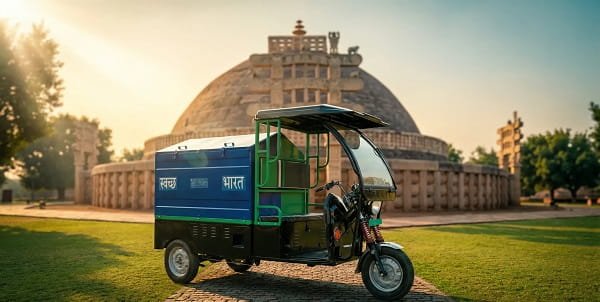
The E-Rickshaw Market in India
India has become the world’s largest e-rickshaw market with millions of e-rickshaws operating across the country — concentrated in North India’s dense tier-2 and tier-3 cities where they have become the dominant short-distance transportation mode. The e-rickshaw’s success is rooted in economics that work simultaneously for operators and passengers — carrying 4-6 passengers at ₹10-20 per person while consuming less than ₹1 of electricity per kilometre creates a cost structure that petrol alternatives cannot match, enabling lower fares for passengers while maintaining viable daily earnings for operators.
E-Rickshaw Business Key Financial Parameters
| Parameter | Single Vehicle Owner-Operator | Small Fleet (5–10 vehicles) | Large Fleet (20+ vehicles) | Charging + Rental Model |
| Vehicle cost | ₹1 lakh–1.8 lakh | ₹90,000–1.6 lakh per unit | ₹80,000–1.5 lakh per unit | ₹90,000–1.6 lakh per unit |
| Battery cost (replacement) | ₹15,000–25,000 every 18–24 months | Same | Same | Same |
| Daily electricity cost | ₹30–60 | ₹30–60 per vehicle | ₹25–55 per vehicle | ₹25–55 per vehicle |
| Daily gross earnings | ₹600–1,200 | Driver-operated — ₹500–1,000 net | ₹450–900 net per vehicle | Rental ₹250–450 per vehicle |
| Daily operating expense | ₹100–200 (electricity + maintenance) | ₹150–250 per vehicle | ₹120–220 per vehicle | ₹50–100 per vehicle |
| Monthly net income — owner-operator | ₹10,000–28,000 | ₹1.5 lakh–5 lakh fleet net | ₹4 lakh–15 lakh | ₹1 lakh–4 lakh |
| EMI monthly (financed) | ₹3,000–5,000 | ₹2,800–4,800 per vehicle | ₹2,500–4,500 per vehicle | Same |
| Permit requirement | State-specific — most states | Multiple permits | Multiple permits + TIN | State specific |
| Battery life | 18–30 months | Same | Same | Same |
| Charging time per day | 6–8 hours | 6–8 hours per vehicle | 6–8 hours | Revenue from charging |
| Break-even period | 2–3 years | 2–4 years | 3–5 years | 2–4 years |
Why E-Rickshaw Business Generates Consistent Profitability
Extremely Low Operating Costs: The e-rickshaw’s operating cost advantage over petrol auto-rickshaws is its most fundamental profitability driver. A petrol auto-rickshaw consuming ₹300-400 daily in fuel operates at a dramatically higher variable cost than an e-rickshaw spending ₹40-60 on electricity for equivalent trips — a cost saving of ₹250-350 per day that directly translates into superior net earnings for e-rickshaw operators working the same routes and charging the same passenger fares. This cost advantage is structural and growing as petroleum prices remain elevated while electricity costs remain controlled.
Strong Last-Mile Transportation Demand: India’s enormous commuter population travelling the final 2-5 kilometres between metro stations, railway stations, bus terminals, and residential or commercial destinations generates continuous, non-discretionary demand for affordable last-mile transportation that e-rickshaws serve uniquely well. This demand is not seasonal or discretionary — it exists every working day, driven by millions of commuters whose transportation budget cannot accommodate app-based cabs for short trips.
Fleet Business Scalability: The most financially attractive e-rickshaw business model beyond owner-operation is fleet ownership with employed or rented drivers. A fleet owner who purchases 10 e-rickshaws, hires drivers at ₹8,000-12,000 monthly salary, and collects daily rental fees of ₹250-400 per vehicle generates monthly fleet income of ₹2.5-4 lakh while drivers retain trip earnings above the rental commitment. Fleet economics improve with scale — bulk vehicle purchasing discounts, shared charging infrastructure costs, and maintenance contractor relationships reduce per-vehicle costs as fleet size grows.
Government Support and Financing Accessibility: Central and state government EV policies have extended e-rickshaw purchasing subsidies, preferential NBFC and microfinance institution lending at subsidised interest rates, and permit facilitation that have made e-rickshaw ownership accessible to entrepreneurs from lower-income backgrounds who would not qualify for conventional vehicle financing. NABARD and SIDBI financing programmes specifically targeting e-rickshaw operators have expanded the addressable entrepreneur market significantly.
Challenges and Risk Factors
Battery replacement represents the most significant recurring capital expense in e-rickshaw operation — lead-acid batteries requiring ₹15,000-25,000 replacement every 18-24 months create capital demands that must be planned for rather than surprised by. Operators who do not accumulate battery replacement reserves from daily earnings find themselves unable to finance battery replacement without distress borrowing that severely damages profitability.
The informal and fragmented nature of India’s e-rickshaw permit regulatory framework — varying significantly across states and municipalities with inconsistent enforcement — creates periodic operational disruption when authorities restrict e-rickshaw operations in specific areas or require permit renewals that take time to process.
E-Rickshaw vs Alternative Electric Vehicle Business Models
| Parameter | E-Rickshaw | Electric Auto (L5) | Electric Cab | E-Bike Rental |
| Vehicle cost | ₹1 lakh–1.8 lakh | ₹2.5 lakh–5 lakh | ₹8 lakh–15 lakh | ₹40,000–80,000 |
| Passenger capacity | 4–6 | 3 | 4 | 1 |
| Daily earnings potential | ₹600–1,200 | ₹800–1,800 | ₹1,200–3,000 | ₹200–600 |
| Operating cost per km | ₹0.5–1 | ₹0.8–1.5 | ₹1.5–3 | ₹0.3–0.8 |
| Net monthly income | ₹10,000–28,000 | ₹15,000–40,000 | ₹20,000–60,000 | ₹5,000–15,000 |
| Permit complexity | Moderate | Moderate | High | Low |
| Market saturation | High in North India | Growing | Moderate | Low |
E-rickshaw business is consistently profitable in India across both owner-operator and fleet models — delivering accessible entrepreneurship for individual operators and scalable returns for fleet investors who manage battery replacement planning, driver relationships, and operational compliance proactively.