



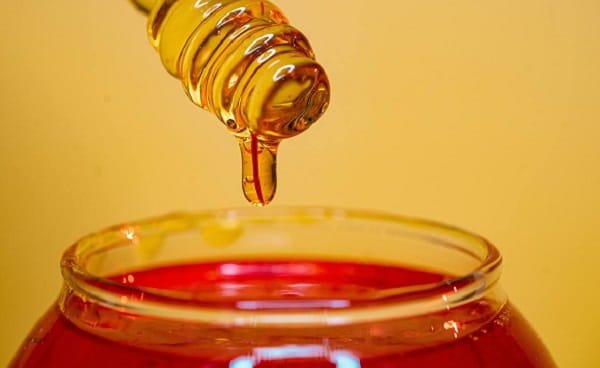
Honey is one of India’s most beloved natural food products — consumed daily by millions of households as a natural sweetener, health supplement, Ayurvedic medicine ingredient, skincare component, and premium gifting product. India’s honey market has experienced extraordinary growth driven simultaneously by rising health consciousness that drives dietary honey adoption, booming Ayurvedic and natural wellness product markets that use honey as a key ingredient, growing export demand from international buyers who value Indian multifloral honey varieties, and an emerging premium honey segment where varietals including Himalayan wild honey, sunflower honey, litchi honey, and forest honey command prices 3-8 times commodity honey. Whether honey business is profitable in India in 2026 requires understanding the business from beekeeping production through processing, branding, and distribution — because profitability is dramatically different across these stages.
India’s Honey Industry Landscape
India is one of the world’s largest honey producers — with significant production in Himachal Pradesh, Uttarakhand, Punjab, Rajasthan, West Bengal, and the northeastern states. The honey market serves multiple distinct consumer segments — bulk commodity honey procured by food processors and Ayurvedic manufacturers, branded consumer honey sold through grocery retail and e-commerce, export honey meeting international food safety standards, and premium varietal honey targeting health-conscious urban consumers who understand and value floral source differentiation. The premium honey segment has grown particularly rapidly as urban consumers educated by Instagram wellness content and nutrition awareness increasingly seek raw, unprocessed, and varietal honeys over commodity supermarket alternatives.
Honey Business Key Financial Parameters
| Parameter | Small Beekeeping (20–50 hives) | Medium Apiary (200–500 hives) | Honey Trading and Processing | Premium Branded Honey |
| Capital investment | ₹50,000–2 lakh | ₹5 lakh–20 lakh | ₹3 lakh–20 lakh | ₹3 lakh–25 lakh |
| Cost per hive setup | ₹2,000–4,000 | ₹1,800–3,500 | Not applicable | Not applicable |
| Annual honey production per hive | 25–60 kg | 30–70 kg (managed migratory) | Procurement-based | Procurement-based |
| Procurement price — raw honey | ₹120–200 per kg | ₹100–180 per kg | ₹100–200 per kg | ₹150–350 per kg premium |
| Wholesale selling price | ₹150–280 per kg | ₹140–260 per kg | ₹180–350 per kg | ₹400–2,500 per kg |
| Retail MRP — branded | Not typically retail | Not typically | ₹200–400 per kg | ₹500–3,500 per kg |
| Gross profit margin | 30–55% | 35–60% | 25–45% | 55–75% |
| Monthly revenue — medium apiary | ₹60,000–3 lakh (seasonal) | ₹3 lakh–15 lakh (seasonal) | ₹2 lakh–15 lakh | ₹1.5 lakh–20 lakh |
| Net profit margin — established | 20–40% | 22–45% | 12–25% | 40–65% |
| FSSAI licence | Required | Required | Required | Required |
| Export certification requirement | APEDA, EIC, FSSAI | APEDA, EIC | APEDA | APEDA for export |
| Break-even period | 2–4 years | 2–4 years | 1–2 years | 1–3 years |
Profitability Drivers and Market Opportunities
Premium and Varietal Honey — The Highest Margin Opportunity: The single most transformative profitability lever in the honey business is product differentiation through varietal positioning — marketing honey by its specific floral source rather than selling undifferentiated multi-floral commodity. Himalayan wild honey collected from cliff-dwelling Apis dorsata colonies commands ₹1,500-3,500 per kg versus ₹200-350 for commodity processed honey — representing a 5-10x revenue multiplication from equivalent weight of honey. Similarly, litchi honey from Bihar, mustard honey from Punjab, jamun honey, neem honey, and multifloral forest honeys each command premium positioning with consumers who understand floral source differentiation and are willing to pay for authentic terroir-linked honey products.
Building brand authenticity — through beehive and forest source documentation, third-party quality certification, and Instagram storytelling that connects urban consumers to the specific landscapes where their honey originates — creates the credibility that justifies premium pricing and generates the kind of customer passion that drives word-of-mouth marketing.
Raw and Unprocessed Honey Positioning: Conventional commercial honey processing — heating and high-pressure filtration that improves visual clarity and extends shelf life — destroys enzymes, destroys pollen content that provides floral source authentication, and reduces the nutritional properties that health-conscious buyers specifically seek. Raw honey that is minimally filtered and cold-extracted commands premium positioning of 50-100% above equivalent processed honey while appealing to the fastest-growing consumer segment in India’s honey market — the health-conscious urban buyer who reads ingredient labels and researches products before purchasing.
Export Market Revenue Superiority: India exports significant honey volumes internationally — primarily to the US, UK, EU, and Middle Eastern markets — where honey commands prices substantially above domestic Indian commodity levels. Achieving APEDA registration, Export Inspection Council certification, and compliance with importing country food safety standards including EU pesticide residue limits and US FDA import alert clearances provides access to export revenue that can generate 30-50% higher realisations than equivalent domestic commodity honey sales. Several Indian honey businesses have built highly profitable export-oriented operations specifically targeting international specialty food markets that value Indian varietal honeys for their distinctive flavour profiles.
Ayurvedic and Nutraceutical Ingredient Supply: India’s booming Ayurvedic products market — growing at consistent double-digit rates driven by both domestic health consciousness and international demand for Ayurvedic formulations — requires honey as an ingredient in products including chyawanprash, herbal syrups, immunity supplements, and skincare formulations. Supplying Ayurvedic manufacturers and nutraceutical companies with consistent, food-safety-certified honey in bulk quantities creates stable B2B revenue contracts with professional procurement buyers who prioritise quality consistency and supply reliability over lowest price.
Migratory Beekeeping — Productivity Amplification
Professional beekeepers in India practice migratory apiculture — moving colonies seasonally to follow flowering crops and forest blooms across different geographic regions. A beekeeper who moves colonies from mustard fields in January to litchi orchards in March to eucalyptus forests in July captures multiple distinct honey flows annually from a single colony investment — producing 50-80% more honey annually than stationary beekeeping while simultaneously providing farmers with pollination services that improve crop yields. Migrating bee colonies to fruit orchards — pomegranate, mango, guava, and apple — creates pollination service revenue of ₹2,000-5,000 per colony placement from farmers who understand the yield improvement that bee pollination provides, adding meaningful income alongside honey production.
Adulteration Crisis and Quality Differentiation
India’s honey industry has faced a significant adulteration problem — commercial honey being diluted with sugar syrup or rice syrup in ways that standard testing methods do not always detect. This adulteration scandal has damaged consumer trust in commodity honey brands while creating strong opportunity for genuine quality players who invest in advanced testing — Nuclear Magnetic Resonance spectroscopy is the gold standard for adulteration detection — and transparently communicate quality credentials. Honey businesses that obtain NMR certification and showcase testing results to consumers build credibility that commands pricing premiums while the adulteration problem simultaneously discredits cheaper alternatives.
Honey Business vs Alternative Natural Food Businesses
| Parameter | Honey Business | Organic Spices | Cold-Pressed Oils | Herbal Products |
| Startup capital | Low to moderate | Low | Moderate | Low to moderate |
| Premium segment potential | Very high — varietal, raw | High | High | Very high |
| Export potential | Very high — APEDA | High | Moderate | Growing |
| FSSAI requirement | Yes — food product | Yes | Yes | Yes + AYUSH possibly |
| Gross margin | 30–75% | 40–70% | 45–68% | 50–75% |
| Shelf life | Long — 1–2 years | Very long | Moderate — 6–12 months | Varies |
| Seasonal production dependency | High — flowering seasons | Harvest-based | Crop-based | Harvest-based |
| Instagram content appeal | Very high — natural, aesthetic | Moderate | Moderate | High |
| Net profit margin | 20–65% | 25–55% | 22–50% | 30–65% |
Honey business is genuinely highly profitable in India for entrepreneurs who develop premium varietal positioning, invest in raw and minimally processed quality credentials, build authentic brand storytelling through social media, pursue export certification for international market revenue, and develop migratory beekeeping practices that maximise annual production per colony investment. The combination of strong domestic premium demand growth, export opportunity, Ayurvedic ingredient supply potential, and low capital entry for small-scale beekeeping makes honey one of India’s most accessible and rewarding agricultural business opportunities.