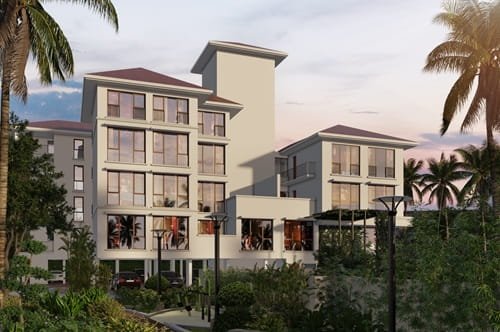




A ₹7 crore apartment in South Mumbai and a ₹75 lakh flat in suburban Pune belong to the same asset class, but they operate in remarkably different investment environments. Their buyers have different expectations, their tenants evaluate different priorities, and their resale markets respond differently to economic conditions.
Luxury real estate investing is not simply mid-market property investing with a larger budget. The investment strategy changes because pricing, demand, liquidity, rental income, and ownership expenses behave differently.
In India, luxury properties typically attract high-net-worth individuals, business owners, senior professionals, and affluent households. Mid-market housing serves a broader population of salaried professionals, families, and investors seeking comparatively affordable residential assets.
The most important distinction is that luxury property often depends on exclusivity and premium buyer demand, while mid-market property relies more heavily on affordability, practical location advantages, and a larger potential customer base.
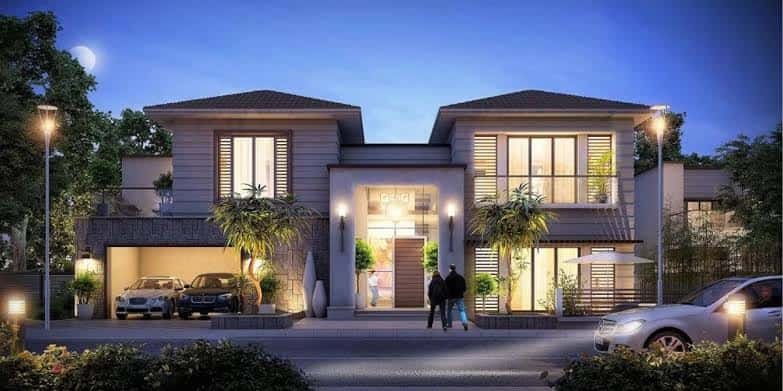
Luxury and Mid-Market Properties Serve Different Buyers
There is no single nationwide price threshold that separates luxury housing from mid-market property in India.
A ₹2 crore apartment might be considered premium in one city but relatively ordinary in an expensive Mumbai neighbourhood.
Classification depends on local prices, project positioning, location, amenities, construction specifications, and the intended buyer segment.
Luxury housing commonly emphasises:
- Prestigious locations and neighbourhood reputation.
- Larger living spaces and premium specifications.
- Privacy, security, and exclusive facilities.
- Architectural design and branded amenities.
- Limited availability of comparable properties.
Mid-market housing generally places greater emphasis on usable space, commuting convenience, schools, healthcare access, and manageable ownership costs.
These differences shape how investors evaluate potential returns.
The Investment Decision Starts With Demand, Not Price
A luxury apartment may have fewer potential buyers, but those buyers can possess substantial purchasing power.
Their decisions may depend on lifestyle preferences, neighbourhood reputation, privacy, and property uniqueness.
Mid-market purchasers are generally more sensitive to loan eligibility, household income, and monthly EMIs.
This creates two distinct demand patterns.
Luxury housing can remain attractive when affluent buyers continue spending despite broader affordability concerns.
However, demand may weaken sharply when investor confidence deteriorates or expensive properties become oversupplied.
Mid-market housing benefits from a larger potential buyer population, but rising interest rates and property prices can restrict affordability.
Neither category is automatically more resilient during economic slowdowns.
Why Luxury Properties Can Appreciate Differently
Capital appreciation in luxury real estate is often influenced by scarcity.
A premium apartment overlooking the sea in Mumbai cannot easily be replicated in another location.
Similarly, a property within an established upscale neighbourhood may benefit from limited land availability.
However, scarcity alone does not guarantee appreciation.
A newly developed luxury corridor with numerous competing projects may face considerable supply pressure.
Mid-market property appreciation often depends more directly on employment growth, transport connectivity, and improvements in neighbourhood infrastructure.
For example, an affordable residential area near a developing employment centre may attract additional buyers as commuting conditions improve.
The key is understanding whether future demand can support the purchase price.
Rental Income Changes the Investment Calculation
Luxury properties can command substantial monthly rents, but their rental yields are not necessarily higher.
Consider two hypothetical investments.
A luxury apartment purchased for ₹5 crore generates ₹1.25 lakh monthly rent.
Its annual gross rental income is ₹15 lakh, producing a gross rental yield of 3%.
A mid-market apartment purchased for ₹80 lakh generates ₹28,000 monthly rent.
Its annual gross rental income is ₹3.36 lakh, producing a gross rental yield of 4.2%.
In this example, the mid-market property delivers a higher income return relative to its purchase price.
Actual yields depend on location, tenant demand, property condition, and prevailing market rents.
Investors should also account for vacancies and maintenance before comparing net returns.
Luxury Ownership Carries a Different Expense Structure
Premium properties often include facilities that increase ongoing ownership costs.
These may involve extensive security arrangements, landscaped grounds, concierge services, recreational facilities, and sophisticated building systems.
Owners may face higher society maintenance charges and expensive repairs or replacements.
Luxury interiors can also require significant expenditure when preparing a property for new tenants.
Mid-market apartments generally have simpler maintenance requirements, although poorly maintained buildings can still generate substantial unexpected costs.
An investment comparison should therefore examine the total cost of ownership rather than the purchase price alone.
Selling a Luxury Property May Require More Patience
Liquidity is one of the most overlooked differences between the two segments.
A mid-market apartment in an established residential neighbourhood may attract interest from first-time homebuyers, families, and investors.
A luxury apartment priced at several crores has a smaller potential buyer pool.
Even when the property is desirable, finding someone willing to pay the expected price can take time.
Luxury buyers may also demand extensive negotiations, customised payment arrangements, or particular property specifications.
This does not mean mid-market properties always sell quickly.
Oversupply, poor construction quality, or weak local demand can reduce liquidity in either category.
Financing and Portfolio Concentration Matter
Luxury investments generally require larger capital commitments.
Even wealthy investors should consider how much of their total wealth becomes concentrated in one property.
A single expensive apartment can expose a substantial portion of an investment portfolio to one location and asset.
Mid-market properties may allow investors with sufficient capital to diversify across different neighbourhoods or property types.
Financing also affects returns.
Large home loans create significant repayment obligations, while purchasing entirely with personal funds introduces opportunity costs.
Investors should compare potential property returns with the financial flexibility sacrificed by committing capital.
Choosing Between the Two Segments
The appropriate investment depends on the investor’s objectives rather than the perceived prestige of the property.
Luxury real estate may suit investors who prioritise distinctive assets, long holding periods, and potential appreciation in established premium locations.
Mid-market property may appeal to those seeking broader tenant demand, comparatively manageable entry costs, and practical resale opportunities.
Before investing, consider:
- Expected rental income after expenses.
- Historical transaction activity in the locality.
- Availability of comparable properties.
- Financial capacity to manage vacancies.
- Maintenance and renovation requirements.
- Expected holding period.
- Legal documentation and project approvals.
- Potential resale demand.
In India, buyers should also verify applicable RERA registration, ownership records, and other property-specific legal requirements.
Frequently Asked Questions
Q1. Is luxury real estate a better investment than mid-market property in India?
A: Not necessarily. Luxury properties may offer scarcity-driven appreciation, while mid-market properties can provide broader rental and resale demand. Performance depends on location, purchase price, expenses, and market conditions.
Q2. Do luxury apartments generate higher rental yields?
A: Not always. Luxury apartments may earn higher absolute rents but lower percentage yields because their purchase prices are substantially greater.
Q3. Which property segment is easier to sell?
A: Mid-market properties often have a broader potential buyer base. However, resale liquidity depends on local demand, pricing, property quality, and competing supply.
Q4. Are luxury properties less affected by home loan interest rates?
A: Some affluent buyers depend less heavily on borrowing, but luxury demand can still be influenced by financing costs, economic confidence, and broader investment conditions.
Q5. Can mid-market property outperform luxury real estate in capital appreciation?
A: Yes. Mid-market properties in locations experiencing strong employment growth, infrastructure improvements, and sustained housing demand can outperform luxury properties purchased at excessive valuations.