



Is a spa business legal in India? Yes, unambiguously — but this is one of the few business categories in this guide where legality alone isn’t the real challenge. The bigger question is staying compliant enough, visibly enough, to avoid getting swept into the scrutiny that surrounds an industry long associated with misuse. Spas operate in a space where genuine wellness businesses and illicit operations have historically blurred together in the eyes of regulators, and that history shapes almost every rule you’ll encounter.
For years, spa and massage licensing in India was famously loose — some legal forums still describe the industry as one where “currently there aren’t any licenses required.” That’s changing fast. Cities like Chennai, Delhi, and Mumbai have tightened trade licensing enforcement considerably, and Rajasthan’s newly drafted 2026 guidelines suggest other states are moving toward far more structured regulation, not less.
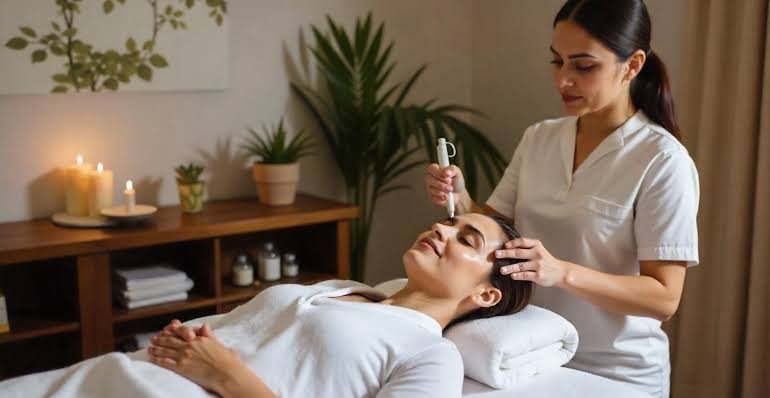
Why Spas Face Heavier Scrutiny Than Most Wellness Businesses
Unlike a salon or a gym, a spa’s core service — physical touch in a private setting — creates conditions that laws like the Immoral Traffic (Prevention) Act, 1956 (ITPA) and obscenity or trafficking provisions under the Bharatiya Nyaya Sanhita were built to address. This isn’t a reflection on legitimate spa businesses; it’s the reason regulators build in extra checks that other wellness categories don’t face.
This shows up practically in a few specific ways:
- Police verification of staff, something a salon or gym rarely requires
- Restrictions on locked-door treatment rooms and external door visibility during operating hours
- CCTV requirements in shared or public areas of the premises
- Explicit prohibitions written directly into licensing conditions against any activity resembling sex work, with strict penalties attached
None of this makes running a legitimate spa harder in principle — it just means the compliance checklist runs longer and touches areas most other small businesses never encounter.
The License Stack You Actually Need
At the baseline, every spa needs the standard small-business registrations, plus a few specific to this industry:
- Health Trade License from the local municipal corporation — MCD in Delhi, BBMP in Bengaluru, BMC in Mumbai — this is the core annual license confirming hygiene and safety compliance for the premises
- Shop and Establishment License, covering standard employment and operating conditions like any retail or service business
- GST Registration, once turnover crosses the applicable threshold, following the same rules as other small service businesses
The Health Trade License is genuinely the centrepiece here, and it’s worth knowing that enforcement of this specific requirement has been inconsistent historically. Chennai’s Greater Chennai Corporation mandated trade licenses for spas, massage centres, and beauty parlours starting a specific date, yet years later, only a small fraction of an estimated 600 such establishments in the city had actually secured the required permit — a gap that triggered renewed enforcement drives once authorities caught up with the backlog.
Police Verification and NOC: Non-Negotiable in Most Major Cities
This is where spas diverge sharply from almost every other business type covered in guides like this one. In cities including Delhi, Mumbai, and Bengaluru, police verification of staff and a No Objection Certificate from the local police station are mandatory, not optional add-ons:
- Delhi requires a health license from the MCD alongside mandatory police verification of staff
- Mumbai has the BMC issuing licenses under notably strict anti-trafficking policies
- Bengaluru requires the BBMP to confirm therapist certification along with local police approval before licensing
This verification isn’t a one-time formality either. Staff turnover in the spa and wellness industry tends to run high, and each new hire typically needs to go through the same verification process before they can legally work with clients.
Staff Qualifications Aren’t Optional Either
Beyond background checks, many jurisdictions expect therapists to hold recognised professional credentials, not just on-the-job training:
- A recognised degree, diploma, or certificate in a relevant field — physiotherapy, occupational therapy, or certified spa therapy — is increasingly expected of massage therapists
- Ayurveda-specific centres often need therapists certified by AYUSH-licensed practitioners, particularly relevant in states like Kerala where Ayurveda treatment centres are strictly regulated under AYUSH norms
- Minimum age requirements apply broadly, with therapists generally required to be adults, and increasingly, police-verified adults specifically
Skipping staff qualification checks isn’t just a compliance gap on paper — it’s frequently the first thing inspectors verify during a spa inspection, well ahead of checking your paperwork for the business itself.
Operational Rules That Keep a Legitimate Spa Compliant
Beyond licensing and staffing, day-to-day operating rules matter just as much for staying on the right side of enforcement:
- No locked treatment doors — several municipal frameworks explicitly require that massage services not be provided behind locked doors, and that external doors to the premises stay open during working hours
- CCTV in public or shared areas, though not inside individual treatment rooms — this balances client privacy with the transparency regulators want
- Fixed operating hours, controlled by local municipal regulation and increasingly formalised in newer state guidelines
- Gender-specific service rules in some cities, restricting cross-gender massage assignments depending on local policy
- Client ID verification and record-keeping, a requirement gaining traction in newer regulatory frameworks specifically to deter misuse
Rajasthan’s 2026 Draft Guidelines: A Preview of Where Regulation Is Heading
This is genuinely useful to understand even if you’re not operating in Rajasthan, because it signals the direction other states are likely to follow. On 25 February 2026, the Rajasthan government issued Draft Model Guidelines for Spa, Massage Centre, Beauty Parlour, and Yoga Therapy Centres, aimed explicitly at ensuring lawful, transparent functioning while preventing misuse like prostitution and trafficking.
The draft’s specific provisions give a clear picture of where comprehensive state-level spa regulation is trending:
- Strict prohibition of sexual activity, spelled out explicitly rather than left implicit under general law
- Separate facilities required for male and female clients
- Mandatory client ID verification for every visit, not just at initial registration
- Mandatory CCTV surveillance covering appropriate areas
- Fixed operational hours, specifically 9 AM to 8 PM under the draft
- Staff required to be qualified, above 18 years of age, and police-verified, with proper records maintained for both employees and clients
If you’re planning a spa business anywhere in India, building your operations around this level of structure now — rather than waiting for your own state to formalise similar rules — puts you ahead of enforcement trends rather than scrambling to catch up later.
What Happens If You Skip Compliance
The consequences here carry more weight than typical small-business non-compliance, given the sensitivity around this industry:
- Operating without a Health Trade License exposes you to closure by the municipal corporation, which can act directly against unlicensed establishments
- Police and health departments can independently take action against misconduct at any spa, licensed or not, if illegal activity is suspected or confirmed
- Any activity resembling sex work triggers serious criminal liability under ITPA and related penal provisions, with consequences far beyond a business fine
- Reputational damage compounds quickly in this industry specifically, since spas already operate under public suspicion in many cities, and any negative incident tends to draw disproportionate scrutiny to nearby legitimate businesses too
FAQs
Q1. Do I need police verification for every new therapist I hire, or just when I first open the spa?
Generally for every new hire, not just at launch. Staff turnover is common in this industry, and most cities expect ongoing verification as your team changes, not a one-time check at opening.
Q2. My spa focuses purely on Ayurvedic treatments — do the same licensing rules apply?
Yes, plus additional requirements. Ayurveda-specific centres typically need therapists certified under AYUSH norms on top of standard Health Trade License and police verification requirements that apply to all spas.
Q3. Can I operate with locked treatment room doors for client privacy?
Generally no. Several municipal frameworks specifically prohibit locked doors during massage services and require external doors to stay open during operating hours, balancing client privacy against misuse prevention.
Q4. My city hasn’t strictly enforced spa trade licensing so far — should I still apply now?
Yes. Enforcement has tightened significantly in cities like Chennai, Delhi, and Mumbai, and Rajasthan’s 2026 draft guidelines suggest more states are moving toward stricter licensing. Getting compliant early avoids disruption once enforcement catches up.