




The vegetable business is one of India’s most essential, most universally accessible, and most consistently patronised food trading businesses — serving a country where fresh vegetables form the nutritional foundation of daily meals across every community, income level, and geographic region. India is the world’s second largest vegetable producer, generating over 200 million tonnes annually across an extraordinary diversity of crops that span tropical, subtropical, and temperate varieties grown in every state and season.
From a neighbourhood vegetable cart and retail shop to wholesale mandi trading, organic vegetable supply, and home delivery subscription services, the vegetable business offers genuine commercial opportunity at every investment scale. Whether you are a first-time entrepreneur with minimal capital or an established trader seeking to formalise and scale, understanding the complete advantages and disadvantages of this fundamental food business provides the honest foundation for realistic planning and successful execution.
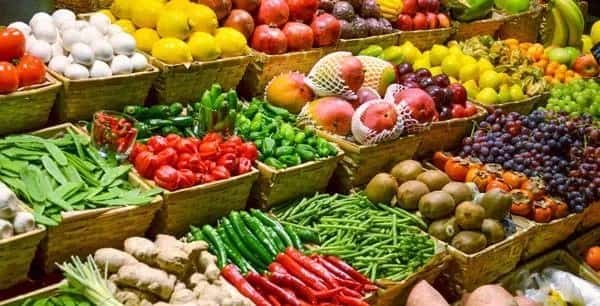
Advantages of Vegetable Business
1. Universal and Non-Discretionary Daily Demand
Fresh vegetables are among the most genuinely non-discretionary food purchases in every Indian household — purchased daily or several times weekly for nutritional necessity rather than discretionary enjoyment. Unlike luxury food products or discretionary snacks whose consumption reduces during economic stress, vegetables remain essential to every household’s daily cooking regardless of income pressure. This demand inelasticity creates retail customer traffic that most businesses would pay substantial marketing investment to generate consistently. India’s 300 million households, vast institutional food service sector, and enormous restaurant industry collectively create daily aggregate vegetable demand that makes this one of the country’s most structurally stable food markets.
2. Very Low Startup Investment
The vegetable business offers one of India’s most financially accessible entry points into food retail — a basic vegetable cart or roadside display can begin operations with ₹5,000–₹20,000 in initial stock, requiring no permanent premises, no manufacturing equipment, and minimal infrastructure beyond a weighing scale and basic display arrangement. A small vegetable shop with modest cold storage can be established for ₹50,000–₹1,50,000. This negligible entry cost makes vegetable trading genuinely accessible to entrepreneurs across all economic backgrounds — including daily wage workers, rural migrants, and homemakers seeking supplementary income who would be excluded from most other commercial ventures by capital requirements.
3. Fast Inventory Turnover and Daily Cash Flow
Vegetables sell within 1–3 days of procurement — creating daily cash cycles that generate excellent working capital efficiency from modest capital investment. A vegetable retailer who invests ₹5,000 in morning procurement and sells through by evening completes a full working capital cycle in a single day — a cash conversion speed that virtually no other retail business can match. This rapid turnover allows even modestly capitalised vegetable businesses to generate strong annual revenues from limited working capital through continuous daily inventory rotation. The cash-on-delivery nature of most vegetable retail eliminates receivables risk entirely — every sale generates immediate cash without credit extension.
4. Premium and Organic Segment Opportunity
Beyond commodity vegetable trading, the vegetable business offers genuinely attractive premium market opportunities — certified organic vegetables, exotic and speciality varieties, baby vegetables for restaurant supply, and hydroponically grown produce all command prices 50–200% above commodity equivalents. Urban health-conscious consumers are willing to pay significant premiums for pesticide-free, organically certified, and freshly harvested vegetables whose quality credentials they trust. Home delivery subscription box services delivering weekly organic vegetable assortments to urban households generate recurring subscription revenue with premium pricing that transforms the vegetable business economics from thin commodity margins into genuinely attractive returns.
5. Multiple Sales Channels and Customer Segments
The vegetable business operates effectively across multiple simultaneous channels — retail street selling, shop-based retail, wholesale supply to restaurants and hotel kitchens, institutional supply to school and hospital canteens, organic subscription delivery services, and increasingly quick commerce platforms like Blinkit and Zepto that serve urban home delivery demand. This channel diversity provides revenue stability — weakness in one channel is compensated by strength in others. Building simultaneous retail consumer and institutional restaurant supply creates a resilient dual-revenue model whose combined volume improves procurement economics while its diversity protects against any single channel’s disruption.
Disadvantages of Vegetable Business
1. Extreme Perishability and Daily Wastage
Fresh vegetables are among the world’s most perishable food products — leafy vegetables deteriorate within 24–48 hours at ambient temperature, tomatoes and cucumbers last 3–5 days, and even hardier root vegetables lose quality within a week without cold storage. This extreme perishability creates daily demand forecasting pressure — purchasing too much results in unsellable waste that must be discarded at complete financial loss, while purchasing too little creates stockouts that disappoint regular customers. The financial impact of consistent daily wastage directly and immediately erodes margins that are already thin in competitive commodity vegetable retail — making accurate daily procurement judgement one of the most commercially critical skills in the business.
2. Highly Thin Margins Under Price Competition
Commodity vegetable trading operates on retail margins of 15–30% gross — compressed by intense competition among multiple vendors serving the same neighbourhood, customer price comparison across competing stalls, and the absence of meaningful product differentiation in standard commodity vegetables. Net margins after accounting for wastage, transportation, and storage typically range 5–12% — requiring high daily sales volume to generate meaningful absolute income. Competing on price against lower-cost informal vendors or larger wholesale operators with procurement scale advantages requires either volume efficiency or quality differentiation that new entrants take considerable time to establish adequately.
3. Seasonal Availability and Price Volatility
Vegetable availability and prices fluctuate dramatically across seasons — tomatoes that cost ₹15–20 per kilogram in winter peak to ₹80–120 during summer supply gaps, onion prices create annual national news events with their volatility, and leafy vegetables disappear from supply during monsoon flooding of growing regions. This price volatility creates margin management challenges — customers who become accustomed to certain price levels resist increases during supply shortfalls, while procurement costs rise immediately. Building customer understanding of seasonal price reality requires communication effort that many vegetable retailers find difficult to manage alongside daily trading demands.
4. Physical Demands and Early Morning Schedule
The vegetable business operates on early morning schedules dictated by wholesale mandi timing — most major vegetable markets open between 4 AM and 7 AM, requiring buyers to be present before dawn for best selection, pricing, and freshness. This early morning requirement combined with the physical demands of carrying and displaying fresh produce, managing customer interactions throughout the selling day, and maintaining display quality in heat creates a working lifestyle that is physically demanding and personally constraining. Managing early market procurement alongside full selling day presence creates effectively split and exhausting working schedules that require genuine physical stamina to sustain consistently.
5. Supply Chain Disruption and Weather Risk
Vegetable supply chains are fragile and weather-dependent — unseasonal rains flooding growing regions, cold snaps damaging crops, drought affecting production, and transportation disruptions from strikes or road damage all create sudden supply shortfalls that affect availability and pricing simultaneously. A single weather event in a major production region can disrupt vegetable supply across entire states within days — creating procurement uncertainty that even experienced traders with excellent supplier relationships cannot fully insulate against. Building supply diversity through multiple procurement sources across different growing regions provides some resilience but requires relationship investment and procurement sophistication that small operators are not always positioned to develop.
Frequently Asked Questions (FAQs)
Q: Is vegetable business profitable in India?
A: Yes — a well-managed vegetable retail business with consistent daily volume achieves net margins of 8–15%. Premium organic and home delivery subscription businesses achieve 25–35% margins with appropriate positioning and customer base.
Q: How much investment is needed to start vegetable business in India?
A: A vegetable cart starts with ₹5,000–₹20,000 in initial stock. A vegetable shop with basic cold storage requires ₹50,000–₹1,50,000. An organic delivery subscription business requires ₹1–3 lakhs for procurement, packaging, and delivery setup.
Q: What licences are required for vegetable business in India?
A: FSSAI basic registration for commercial food selling, local municipal trading licence, and GST registration once turnover thresholds are crossed are the primary requirements for vegetable retail operations.
Q: Which vegetables have the best margins in India?
A: Exotic vegetables including broccoli, zucchini, and coloured capsicum, organic certified produce, and freshly harvested seasonal specialties command the highest margins. Baby vegetables for restaurant supply also deliver premium pricing above commodity equivalents.
Q: Can vegetable business be done as a home delivery service in India?
A: Yes — home delivery vegetable subscription services and WhatsApp-based ordering with morning delivery are rapidly growing models in urban India, particularly for organic and premium vegetable supply to health-conscious households.