




Is a tailoring business legal from home in India? Yes — and it’s genuinely one of the lowest-barrier businesses covered in this entire series. A home tailor or a small boutique taking custom orders doesn’t need a dedicated license, doesn’t face heavy zoning scrutiny given how low-impact the work typically is, and can operate with minimal formal setup. But there’s a specific administrative detail worth getting right that most tailoring businesses genuinely overlook: choosing the correct NIC code when registering for GST or Udyam, since this single classification quietly determines your eligibility for loans, subsidies, and government tenders down the line.
Tailoring covers a real spread of business models — a solo silai shop stitching custom orders for neighbourhood customers, a boutique that both designs and sells finished garments, and everything in between. Each of these sits slightly differently within the compliance framework, and understanding where your specific setup falls matters more than most home-business articles suggest.
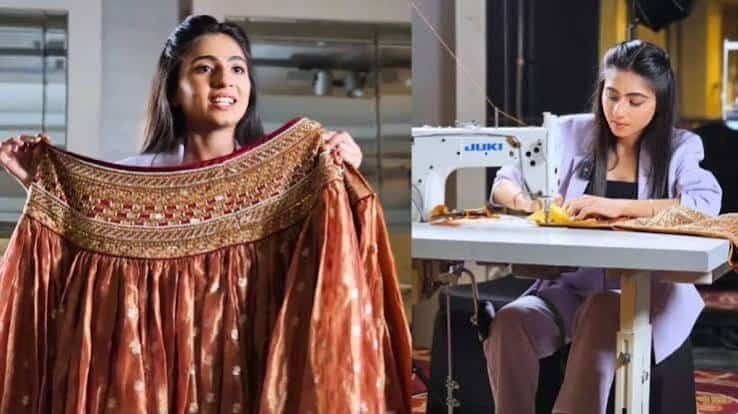
Zoning: Why a Home Tailoring Setup Rarely Raises Flags
This follows the same general pattern covered for other low-footfall home businesses in this series. A tailoring operation typically involves customers dropping off fabric or picking up finished garments — brief, infrequent visits rather than the kind of sustained foot traffic that draws municipal or society attention.
- Regular but brief customer visits generally sit within the “low-impact” category most municipal frameworks tolerate without requiring formal commercial zoning approval
- That said, a trade licence becomes relevant specifically if customers visit regularly or if you display external signage — both of which push your setup closer to visibly commercial activity in the eyes of local authorities
- If you’re running purely order-based, pickup-and-delivery tailoring without any visible shopfront element, you’re genuinely in the lowest-risk category from a zoning standpoint
No Dedicated License Needed — But Your NIC Code Matters More Than You’d Think
Unlike sector-specific licenses covered elsewhere in this series, tailoring has no dedicated government permit. What it does have is a specific National Industrial Classification (NIC) code — 14105 for custom tailoring — that gets used consistently across GST registration, Udyam (MSME) registration, and any company incorporation filings.
This might sound like a minor administrative detail, but getting it wrong creates real downstream problems:
- Banks cross-check your registered NIC code against what your GST invoices actually show — a mismatch can result in your loan application being rejected outright or bumped into a higher-interest, collateralised category
- Government e-Marketplace listings and state-specific subsidy schemes run off whitelists tied to specific NIC codes — register under the wrong code, and you can find yourself unable to list certain product categories or apply for a relevant state textile subsidy scheme at all
- Several states disqualify applicants from reapplying to certain subsidy programmes for up to 12 months if their initial application used a mismatched or incorrect code
Keeping your business activity description consistent across your NIC code, GST registration, and Udyam filing — rather than drifting between slightly different descriptions across each platform — avoids exactly this kind of avoidable friction later.
Udyam Registration: Worth Doing Even Though It’s Optional
This isn’t legally mandatory, but for a tailoring business specifically, it’s genuinely worth pursuing given how directly it unlocks practical benefits:
- Registration is free, entirely online, and typically takes under an hour to complete
- It operates independently of your GST registration, so you can register under Udyam even if you’re currently below the GST threshold
- Eligible entities get access to priority lending, collateral-free credit schemes, and eligibility for various government subsidy and support programmes specifically aimed at MSMEs
- Recent policy updates have extended Udyam eligibility to traders as well, not just manufacturers — relevant if your business leans more toward selling finished garments than pure custom stitching
Given how affordable this registration is in terms of time and cost, treating it as optional and skipping it entirely means leaving genuine, accessible support on the table for no real reason.
GST: Tailoring Labour vs. Selling Finished Garments
This distinction matters for how your specific business gets taxed, since tailoring naturally spans two different kinds of activity:
- Custom stitching and alteration services carry their own GST treatment as a service, distinct from the rate applied to selling ready-made garments
- Selling finished clothing follows the standard apparel GST structure — commonly 5% for items priced below ₹1,000, with 12% or 18% applying above that threshold depending on the specific product category
- GST registration becomes mandatory once your turnover crosses ₹20 lakh (₹10 lakh in special category states) — but crucially, selling through an online platform triggers mandatory GST registration regardless of your turnover level, a detail that catches home tailors expanding into e-commerce off guard
If your business blends both custom stitching services and selling finished pieces, keep your invoicing structured to reflect which category each transaction falls under, since mixing them without clear classification creates compliance headaches at filing time.
If You Hire Additional Tailors: A Quick Note Worth Knowing
As a home tailoring business grows, bringing on additional help — whether formally employed or working on a piece-rate basis — introduces basic labour law considerations worth being aware of, even at small scale:
- Minimum wage obligations apply regardless of whether workers are paid by the piece or by fixed wages, following your state’s applicable minimum wage notification
- Maintaining basic records of who works for you and what they’re paid protects you if a labour dispute or inspection ever arises, even for a small, informal setup
This isn’t a heavy compliance burden at the scale most home tailoring businesses operate, but building the habit of proper record-keeping from the start avoids complications as your business genuinely grows into something with multiple staff.
Trademark Registration: Worth It If You’re Building a Boutique Brand
This isn’t compulsory, but if you’re building a named boutique brand rather than operating as an anonymous local tailor, it’s genuinely worth considering:
- Trademark protection secures your business name and any distinctive branding as you grow, preventing others from using a confusingly similar name
- Online marketplaces increasingly favour trademark-registered sellers for their brand registry programmes, which can matter if you’re planning to sell finished pieces through platforms like Amazon or a dedicated e-commerce storefront
What Happens If You Get Registration Details Wrong
The consequences here are less about dramatic penalties and more about quiet, compounding friction that limits your business’s growth:
- An incorrect or mismatched NIC code can block loan approvals, disqualify you from relevant subsidy schemes, or prevent you from listing certain product categories on government or private e-commerce platforms
- Missing GST registration once you start selling online, even below the standard turnover threshold, exposes you to standard tax non-compliance penalties
- Operating without a trade licence where your setup genuinely involves regular customer visits or signage — crossing from purely low-impact to visibly commercial — risks municipal enforcement action if flagged
- Skipping basic wage and record-keeping practices as you hire additional tailors leaves you exposed if a labour dispute arises later, even at small operational scale
FAQs
Q1. I stitch clothes to order from home with no signage and customers just drop off fabric — do I need a trade licence?
Generally not required at this scale, since this falls within the low-impact category most municipal frameworks tolerate. If you add visible signage or regular walk-in customer traffic, that consideration changes and a trade licence becomes more relevant.
Q2. Should I register for Udyam even though my turnover is well below the GST threshold?
Yes, genuinely worth doing regardless of turnover, since Udyam registration is free, fast, and independent of your GST status — it opens access to credit schemes and subsidies you’d otherwise miss entirely.
Q3. I sell finished clothing on Instagram and take payments directly — do I need GST registration even though my turnover is small?
It depends on whether this counts as selling through a formal e-commerce platform requiring GST for onboarding, versus direct social media sales below the threshold — confirm your specific situation, since online selling triggers different rules than purely offline custom tailoring.
Q4. What happens if I registered under the wrong NIC code when I first started and only realised later?
You can generally update your NIC code details on the Udyam portal, and it’s worth correcting promptly, since a mismatched code can block loan applications or subsidy eligibility until it’s aligned with what your actual GST invoices and business activity show.