



Is a video production business legal in India? Yes, and the baseline business setup follows the same light path as photography — standard registration, GST compliance, no dedicated government license required to call yourself a video production company. But video production carries two genuinely distinctive compliance layers that photography largely avoids: shooting in public spaces requires location permits and police clearance, and using any commercial music in your final video pulls you into a music licensing framework most new production houses discover only after a client asks about it.
This distinction matters because video production often means bigger crews, more equipment, longer shoots in public or semi-public locations, and finished products carrying background music, licensed tracks, or copyrighted content that a still photograph rarely involves in the same way. Understanding these two layers specifically — location permissions and music rights — is what separates a genuinely compliant production house from one accumulating quiet legal risk with every project.
The Standard Business Setup You’d Expect
Video production follows broadly the same baseline as photography and most creative service businesses:
- Business registration — proprietorship for a solo videographer or small crew, scaling to LLP or private limited company for a full production house handling larger corporate or commercial clients
- GST registration, with video production and editing services generally falling under the same photographic and videographic services classification, taxed at 18%, mandatory once turnover crosses ₹20 lakh
- Trade licence, relevant if you’re operating from a fixed studio or office premises
None of this differs meaningfully from what most creative service businesses need. The real complexity sits in the two areas below.
Shooting in Public Spaces: Location and Police NOC Requirements
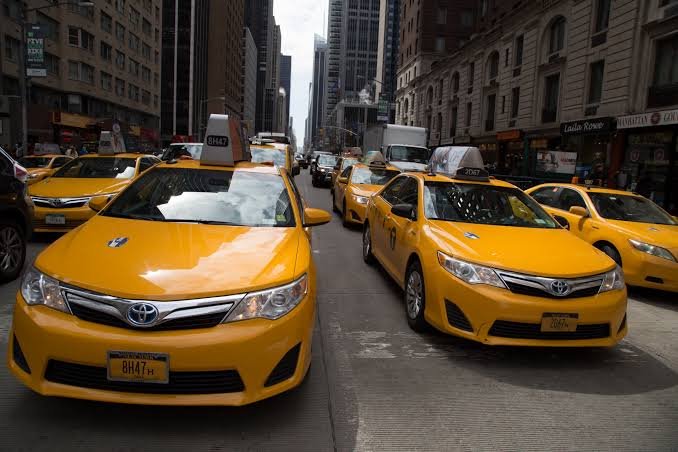
This is where video production genuinely diverges from still photography in practical terms, since video shoots typically involve more equipment, longer setup time, and greater disruption to a public location than a quick photo session.
If you’re shooting on public streets, in markets, or using civic property, expect to navigate:
- Police and Traffic NOC, required for shoots involving public roads or spaces where crew, equipment, or crowd management could affect traffic flow — Mumbai’s municipal shooting policy, for instance, explicitly requires this NOC routed through a “One Window” process before any temporary film shooting permission is granted
- Municipal consent for using civic property specifically, separate from the police clearance itself
- Fire compliance certification where temporary structures — lighting rigs, staging, tents — are involved, with structural stability certificates required from a licensed engineer for anything beyond simple setups
- Private agreements with property owners for privately held locations, which sit outside government permitting but still need proper written consent before you shoot there
States vary considerably in how centralised this process is. Some run genuine single-window systems consolidating police, municipal, and location consent into one application; others require chasing each approval separately, which meaningfully affects your production timeline and should factor into how far in advance you plan a shoot.
Music Licensing: The Copyright Layer Most New Producers Genuinely Miss
This is arguably the most commonly overlooked compliance requirement in Indian video production, and it applies far more broadly than most new production houses assume — not just to big commercial shoots, but to any video incorporating copyrighted music, including corporate videos, wedding films, and social media content for clients.
Under the Copyright Act, 1957, using recorded music, live performances, or compositions in a public or commercial context requires clearance through the relevant licensing bodies:
- PPL (Phonographic Performance Limited), required for using pre-recorded music — commercial tracks, background music from music labels — in your production
- IPRS (Indian Performing Right Society), covering composition rights and live musical performances specifically
- Novex, covering specific major labels including Zee Music, Yash Raj Films, and Eros — relevant particularly for Bollywood soundtrack usage
All three licenses can be relevant simultaneously depending on what music you’re using, and this applies even for seemingly private commercial work — corporate event videos, wedding films distributed to clients — not just content intended for broad public release. Skipping this because a video “isn’t really public” is a common but genuinely risky assumption, since copyright holders and their licensing bodies actively pursue unlicensed commercial use.
Practical approach worth building into your workflow:
- License music properly for any commercial project rather than assuming background use is exempt from these requirements
- Consider royalty-free or licensed stock music libraries specifically cleared for commercial video use, which sidestep the PPL/IPRS/Novex process entirely for straightforward projects
- Build music licensing costs into your project quotes upfront, rather than treating it as an afterthought that erodes your margin after the fact
If You’re Working With Foreign Clients or International Shoots
This applies to a narrower slice of the industry but is worth knowing if your production house works with international clients or handles productions with foreign crew members. India Cine Hub, set up by the Ministry of Information and Broadcasting, functions as a single-window clearance mechanism for foreign productions seeking to shoot in India.
- National-level permission from the Ministry of I&B is generally needed before location-specific permits can be pursued for international productions
- Once national permission is granted, individual location permits still need to be secured separately through the relevant state, city, or local authority
- Restricted areas — border regions, tribal areas — require additional security vetting through the Ministry of Home Affairs, adding meaningful time to the approval process
- Foreign crew members typically need Film Visas processed through the concerned Indian diplomatic mission, with documentation and permission letters submitted in advance
If your production house is purely domestic, working with Indian clients and Indian crew on Indian soil, this layer largely doesn’t apply — but it’s worth knowing exists if your business grows toward international co-productions or foreign brand campaigns shot in India.
Drone Footage: The Same Rules That Apply to Photography
If your video production business offers aerial footage as part of its service offering, the same DGCA Digital Sky framework covered for drone photography applies identically here — UIN registration for the drone itself, a Remote Pilot Certificate for larger equipment, a Drone Operator Permit for commercial use, and mandatory third-party liability insurance. Treat this as a genuinely separate compliance track layered onto your video production business, not something automatically covered by your standard production registration.
Fire and Structural Safety for Larger Sets
For productions involving temporary structures — lighting rigs, staging, set pieces, generator setups — fire and structural compliance becomes genuinely relevant, particularly for larger commercial or advertising shoots. A Fire Compliance certificate from a registered agency, along with a structural stability certificate confirming any temporary build is safe for its intended purpose, protects both your crew and keeps you compliant with municipal shooting policies that increasingly require this documentation upfront.
What Happens If You Skip These Permissions
The consequences scale depending on which specific compliance gap exists in a given production:
- Shooting in public spaces without proper police and traffic NOC risks the shoot being shut down mid-production, along with fines and complications for future permit applications
- Using unlicensed copyrighted music in commercial video work exposes both your production house and your client to copyright infringement claims, which can result in takedown demands, financial penalties, and reputational damage particularly for widely distributed content
- Operating temporary structures without proper fire and structural compliance creates genuine safety risk for cast and crew, alongside regulatory exposure if an incident occurs
- For international productions, proceeding without proper national and location-level clearance risks serious delays, police inquiries, and crew members facing immigration complications
FAQs
Q1. I’m shooting a small corporate video entirely inside my client’s office — do I still need police or location permits?
Generally no, since permits primarily apply to public spaces and civic property. Private premises with the property owner’s consent typically don’t require the same government-level location clearance, though confirm any building-specific rules with your client.
Q2. If I use a short, popular Bollywood song as background music in a wedding film delivered only to the couple, do I really need a license?
Technically yes, since commercial use of copyrighted music generally requires clearance regardless of how limited the distribution feels. Many production houses instead use licensed stock music specifically cleared for this kind of commercial use to avoid the licensing complexity.
Q3. How far in advance should I apply for location permits for a shoot involving public roads?
This varies significantly by state and city, but building in several weeks of buffer is generally wise, particularly in cities without a fully centralised single-window permitting system where police, municipal, and location consents need pursuing separately.
Q4. Does my video production business need separate registration if I occasionally offer drone footage alongside standard filming?
Yes, drone use for any commercial purpose triggers the same DGCA registration, pilot certification, and permit requirements covered for drone photography, regardless of how small a part of your overall service offering it represents.